Times in Between: Perspectives from Berlin
Cornell Raab and Julia Krause
We both feel honoured and grateful to have been invited to share our perspectives as two young participants at the Seen & Heard conference in Malta. For both of us, the conference was far more than an academic gathering. It was an experience that proved as intellectually enriching as it was personally inspiring.
The conference brought together an extraordinary range of participants, including researchers, educators, publishers, activists, artists, and students from around the world. This diversity offered us, as emerging professionals in education and academia, valuable insight into a space where a shared commitment to the voices of children and young people can take shape across diverse contexts
We approached the conference from two complementary perspectives: Julia Krause, an elementary school teacher in Berlin-Wedding whose students played a key role in the project, and Cornell Raab, a student assistant who contributed to the technical realisation of the films and supported the organisation of the conference.
While the panels themselves were inspiring, what stayed with us most were what we came to call the “times in between.” These were the moments that gave the conference its distinctive atmosphere: the pauses, the conversations, the shared reflections, and the remarkable hospitality of our hosts at the University of Malta.
At many conferences, the schedule tends to be tightly packed, with one panel following the next and perhaps a quick poster session in between, where you move past other people’s work while trying to grab something to eat. There is rarely time to pause, and even less time to truly take things in. The conference in Malta was also fully packed, but it felt different. The programme created space for moments to slow down, and workshops and cultural activities gave participants the opportunity to step back
One particularly memorable experience was the guided visit to the Notarial Archives of Malta. Even within a tight schedule, we were given a glimpse into the island’s rich historical record. A selection of documents focused on the lives and experiences of Maltese children, connecting the themes of the conference to a much longer historical perspective.
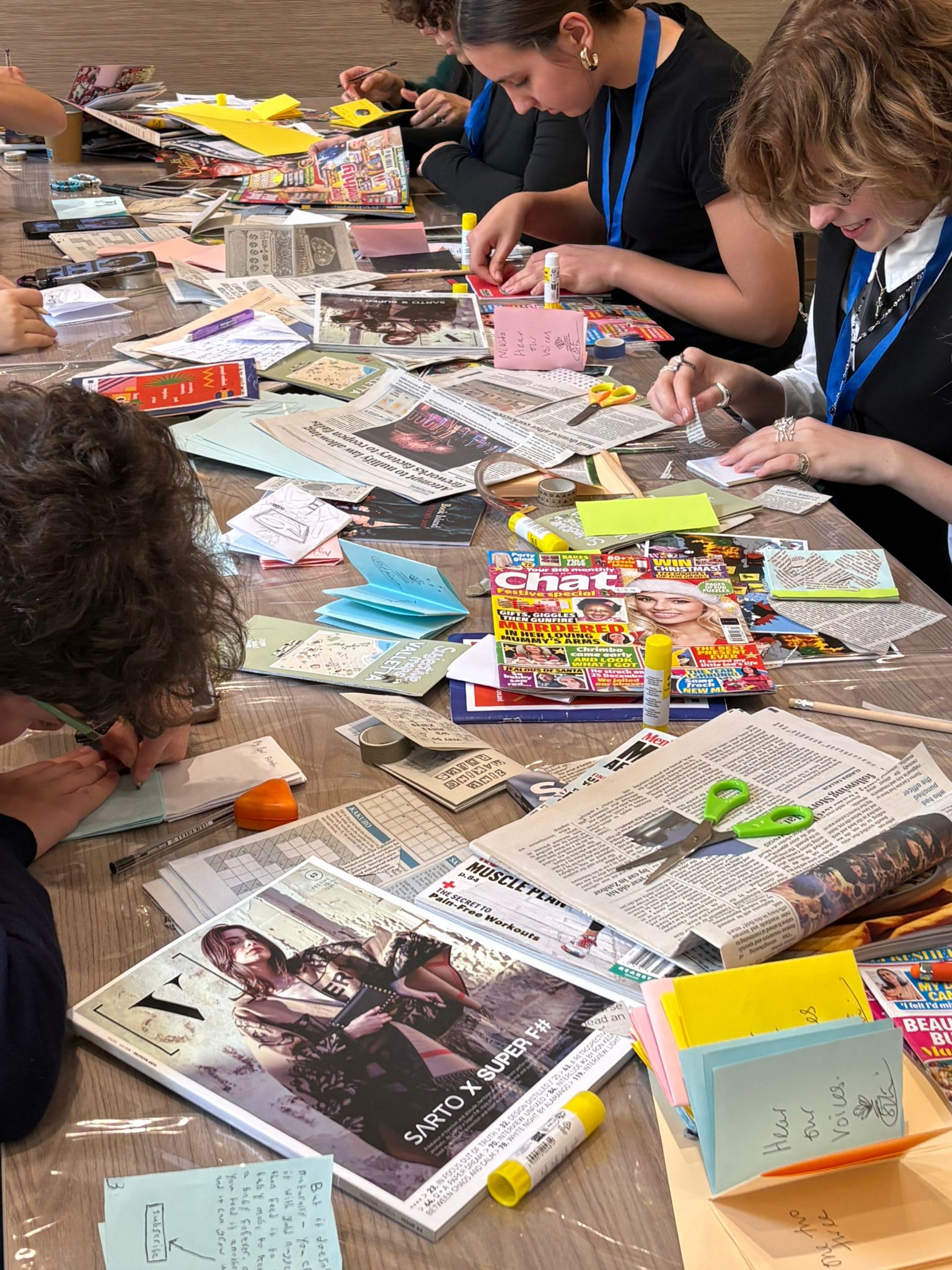
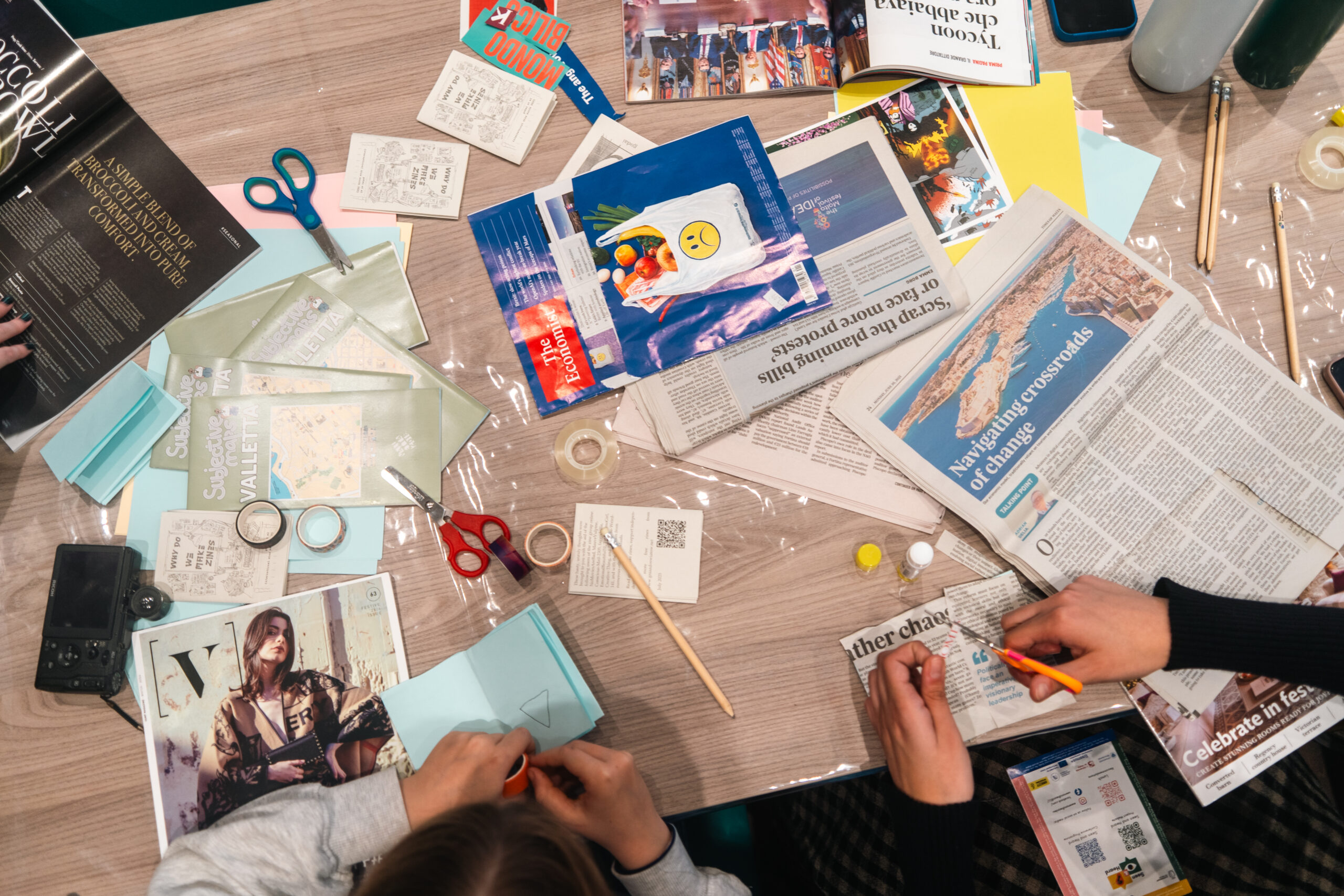
Equally impactful was the arts-based workshop on a/r/tography and activism. It provided a reflective counterpoint to the day’s dense programme. Engaging creatively and collectively allowed participants to process what they had encountered, and many expressed their deep appreciation for this intentional space of reflection at the end of the workshop.
A shared highlight for both of us was the educators’ workshop, where teachers from different countries came together to exchange experiences. Despite having had no prior contact, participants were united by their involvement in the project within their respective schools. It was striking to see how similar the impact had been, not only on their students but also on their own professional and personal reflections.
When children are given the opportunity to express their views and see that these views are valued, they begin to develop confidence, a sense of agency, and an awareness of their role within a broader social and political context. At the same time, the conference reminded us that education about children’s rights cannot be limited to children alone. We must actively embody and uphold these rights in our everyday interactions, setting an example through our actions.
One of the most moving moments came during conversations between keynote sessions. While speaking with some of the Maltese schoolchildren, we were struck by their openness and confidence, which mirrored the impact we have seen among students in Berlin. They spoke about how the project had helped them find their voice and feel more comfortable speaking in front of others. For us, having struggled with this ourselves when we were younger, encountering such confident and self-assured young people was especially meaningful.
It is in these small, often informal moments with children that the impact of the Seen & Heard project becomes most visible: when they speak freely, take themselves seriously, and begin to recognise their place in the world. And it is in these “times in between,” perhaps more than anywhere else, that both this community and its impact truly come to life.