International Conference 2026
Seen and Heard: Young People’s Voices and Freedom of Expression
University of Malta, Valletta Campus | 5–7 February 2026
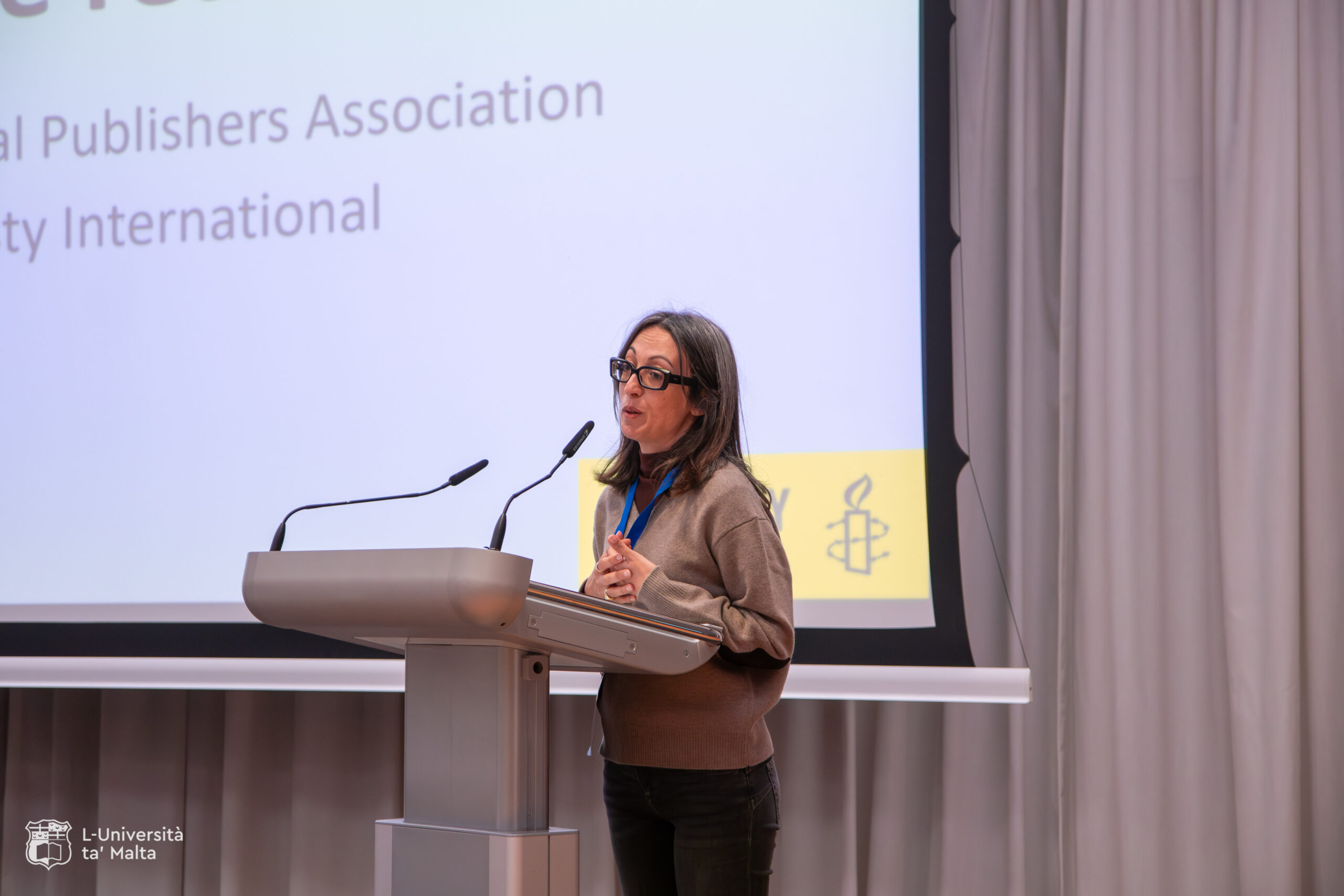
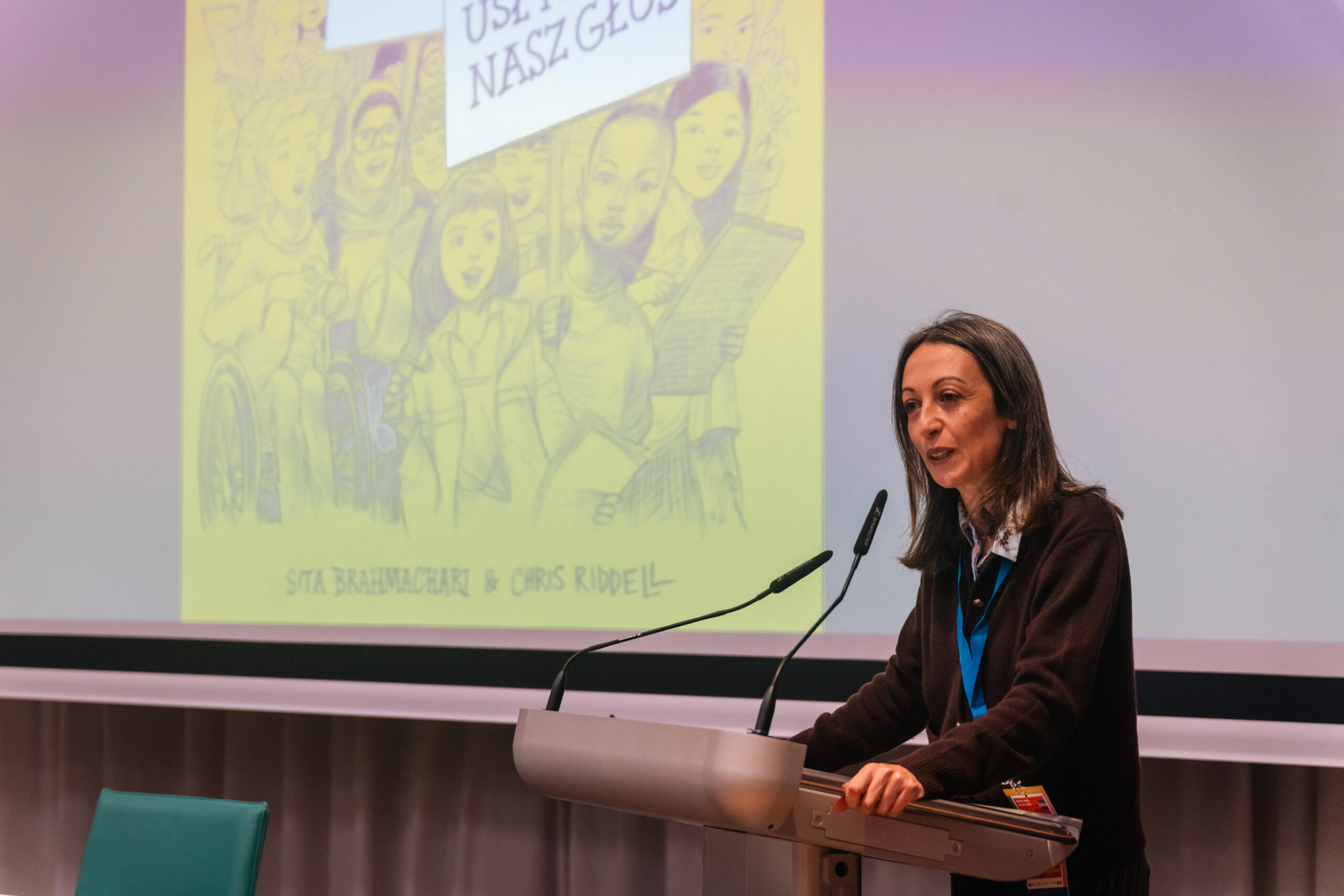
The Seen and Heard international conference, Young People’s Voices and Freedom of Expression, took place at the University of Malta’s Valletta Campus from 5–7 February 2026, bringing together more than 150 delegates from across academia, education, publishing, Human Rights Education, activism, the arts, cultural practice, law and policy. Deliberately designed as a cross-sectoral and intergenerational gathering rather than a conventional academic conference, its three-day programme created a shared space in which researchers, educators, publishers, authors, illustrators, artists, activists, students, practitioners and young people could learn with and from one another.
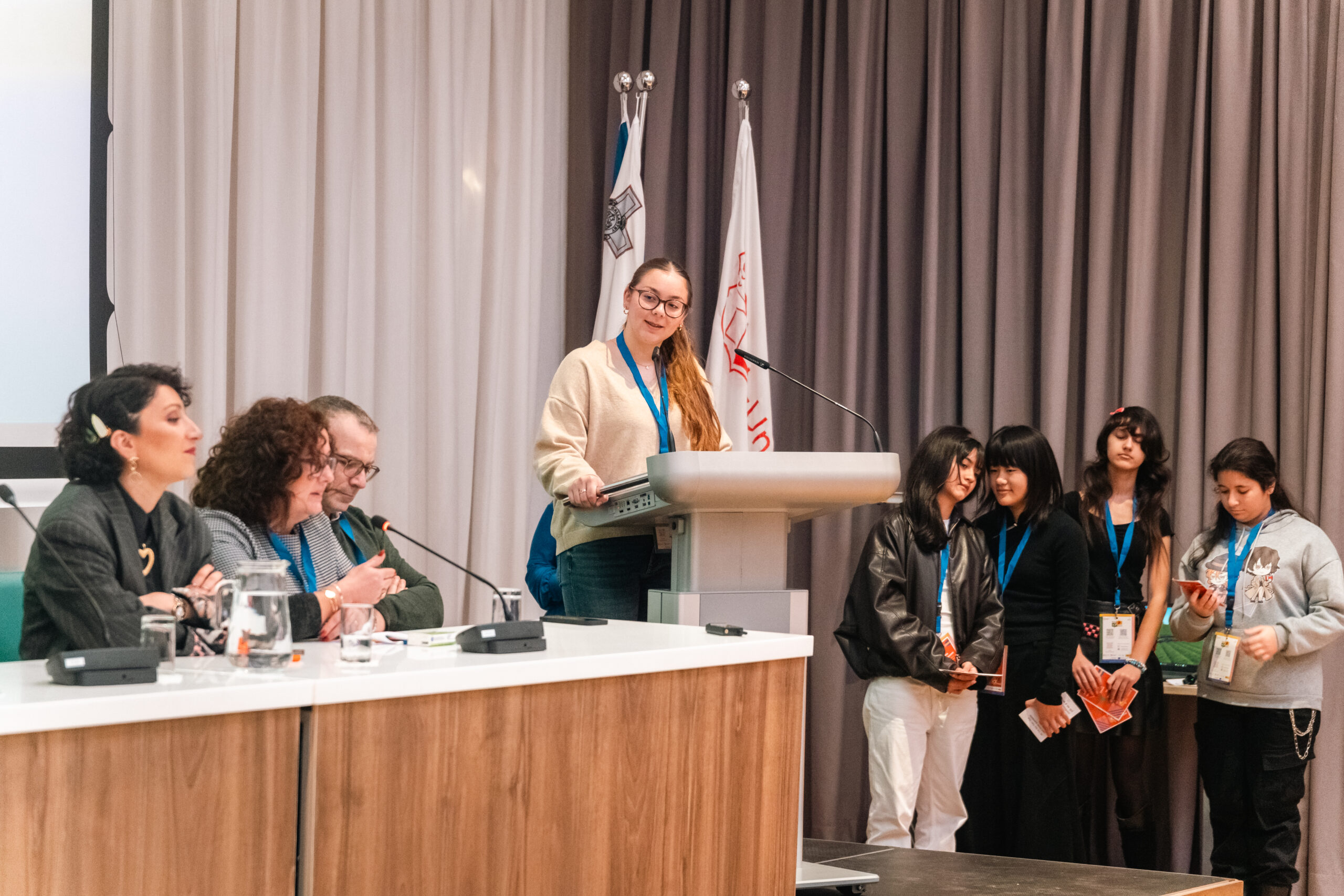
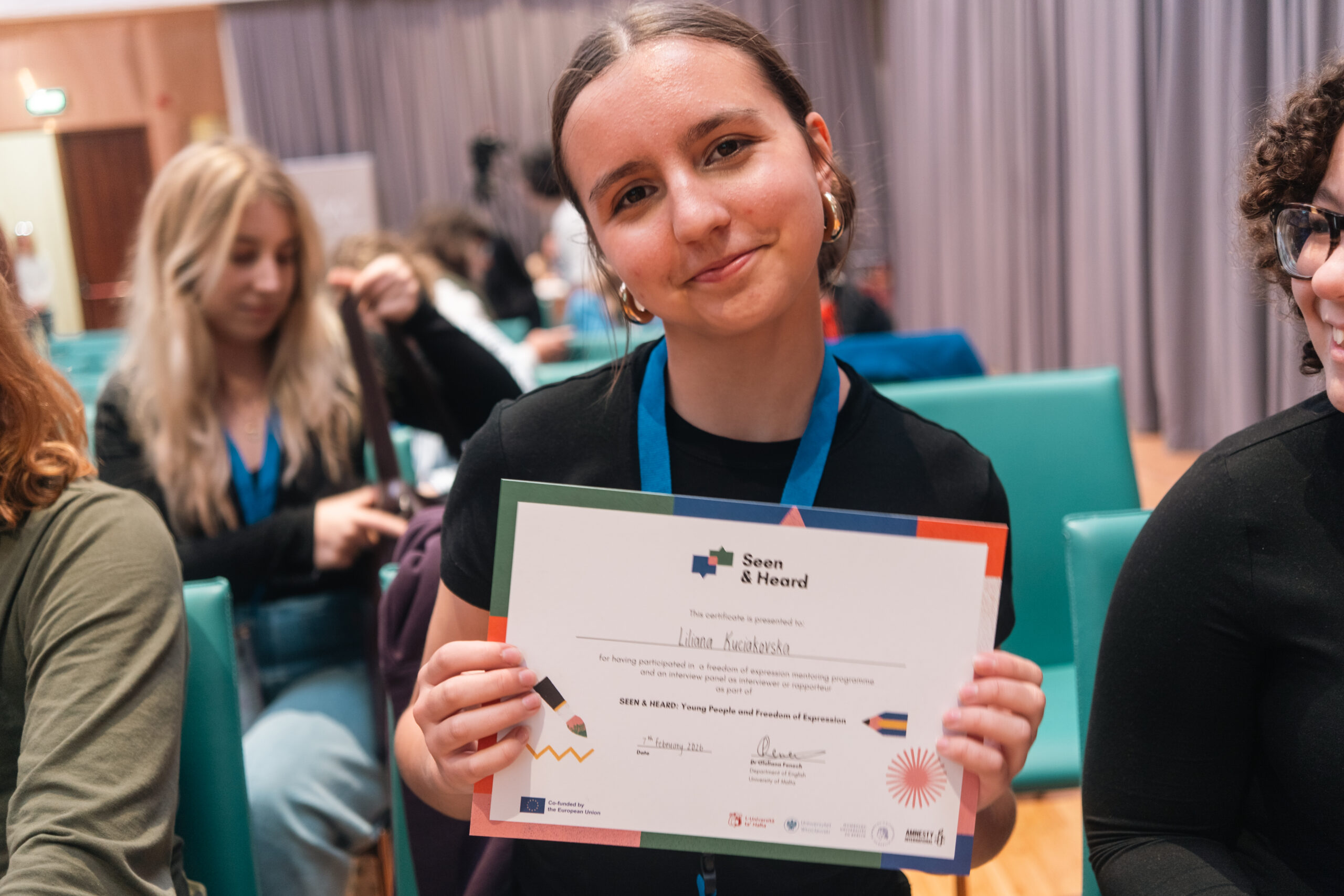
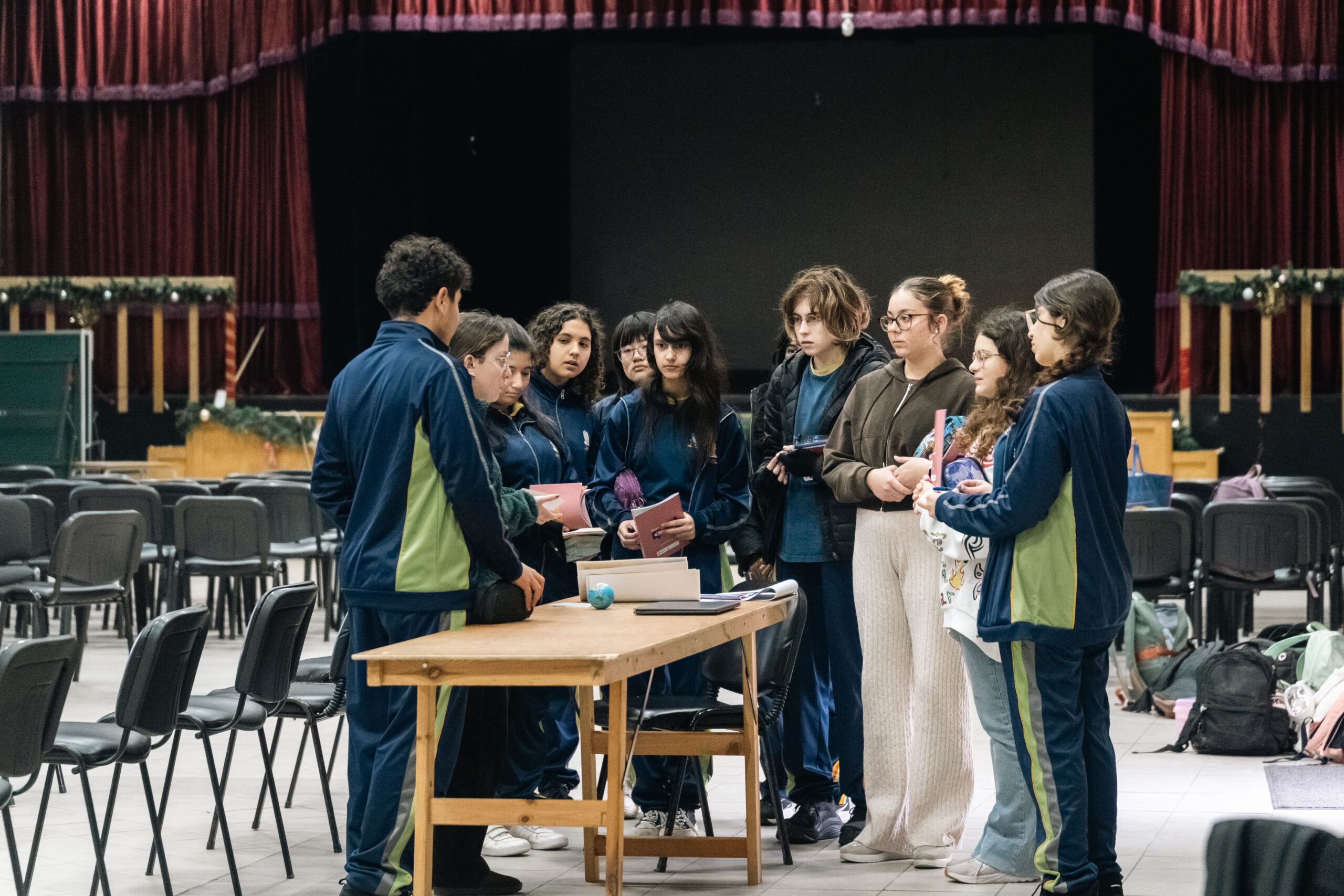
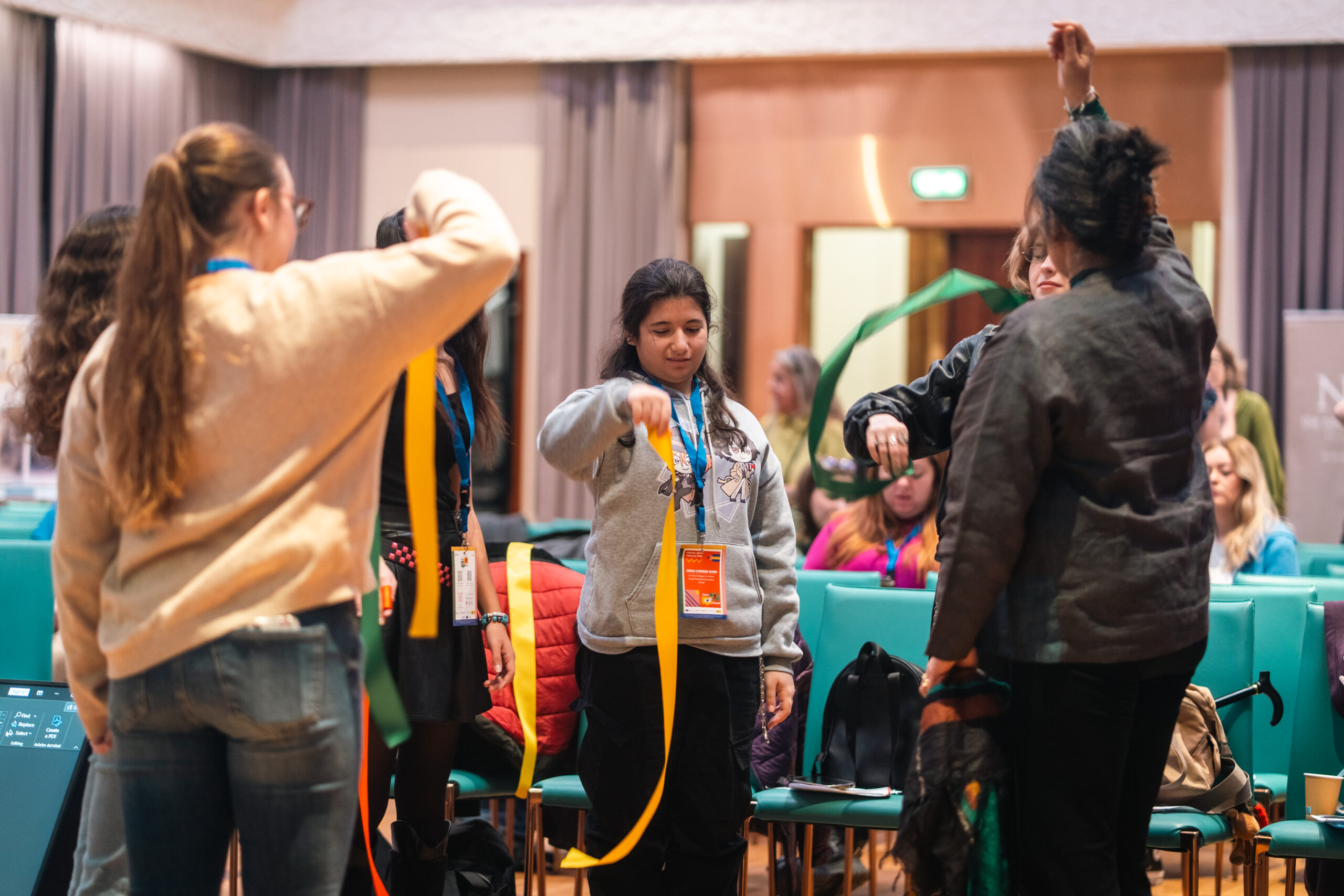
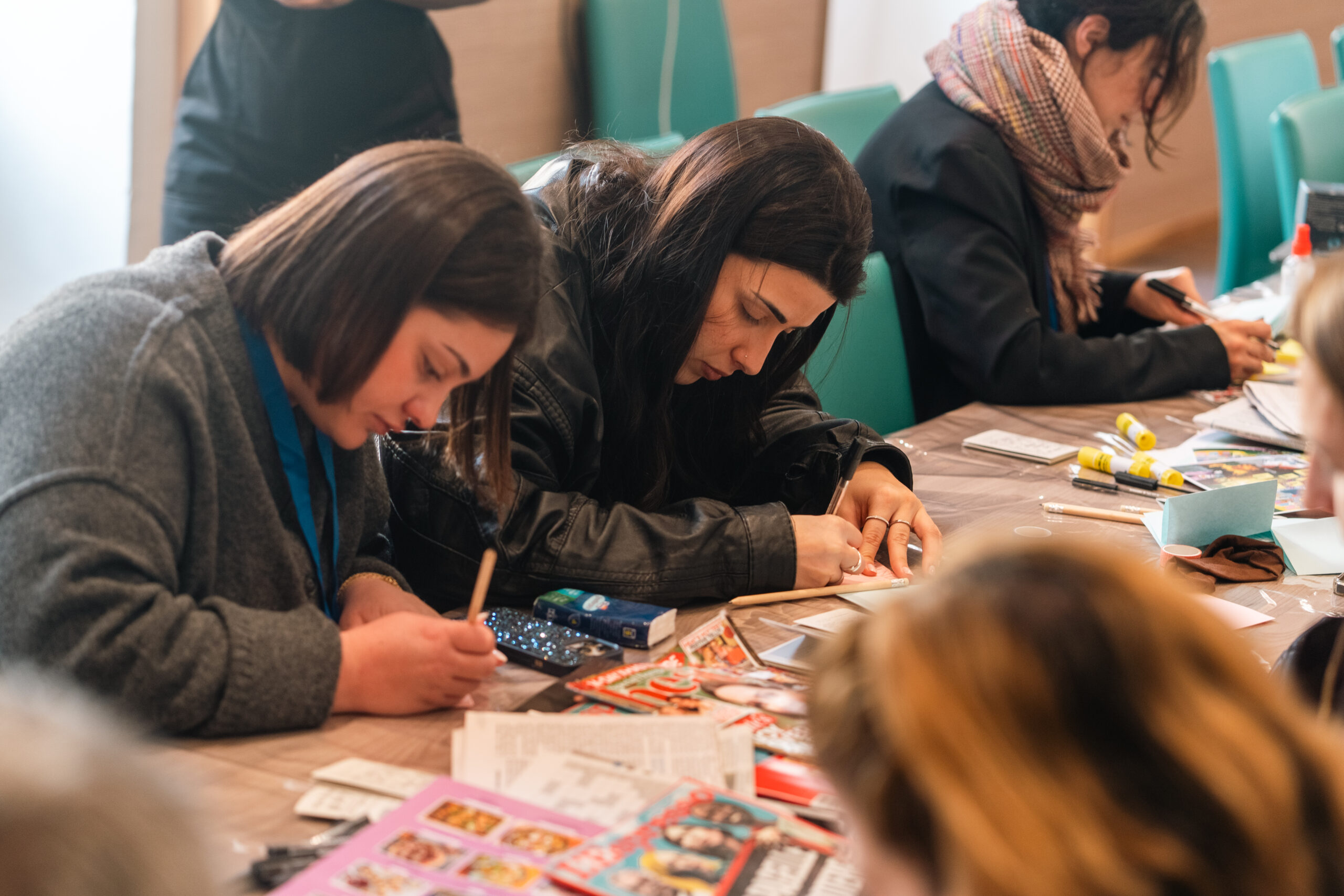
Across four keynotes, fourteen panels, four participatory workshops and two cross-sectoral roundtables, conventional research presentations sat alongside creative practice, Human Rights Education, publishing debate, film, communal writing and children’s own creative work. Young people were not positioned at the margins of the programme: they participated as makers, interviewers and public contributors, most visibly through Us Children Have Questions!, where Seen and Heard participants directly questioned publishers, authors, illustrators and other adults in positions of influence.
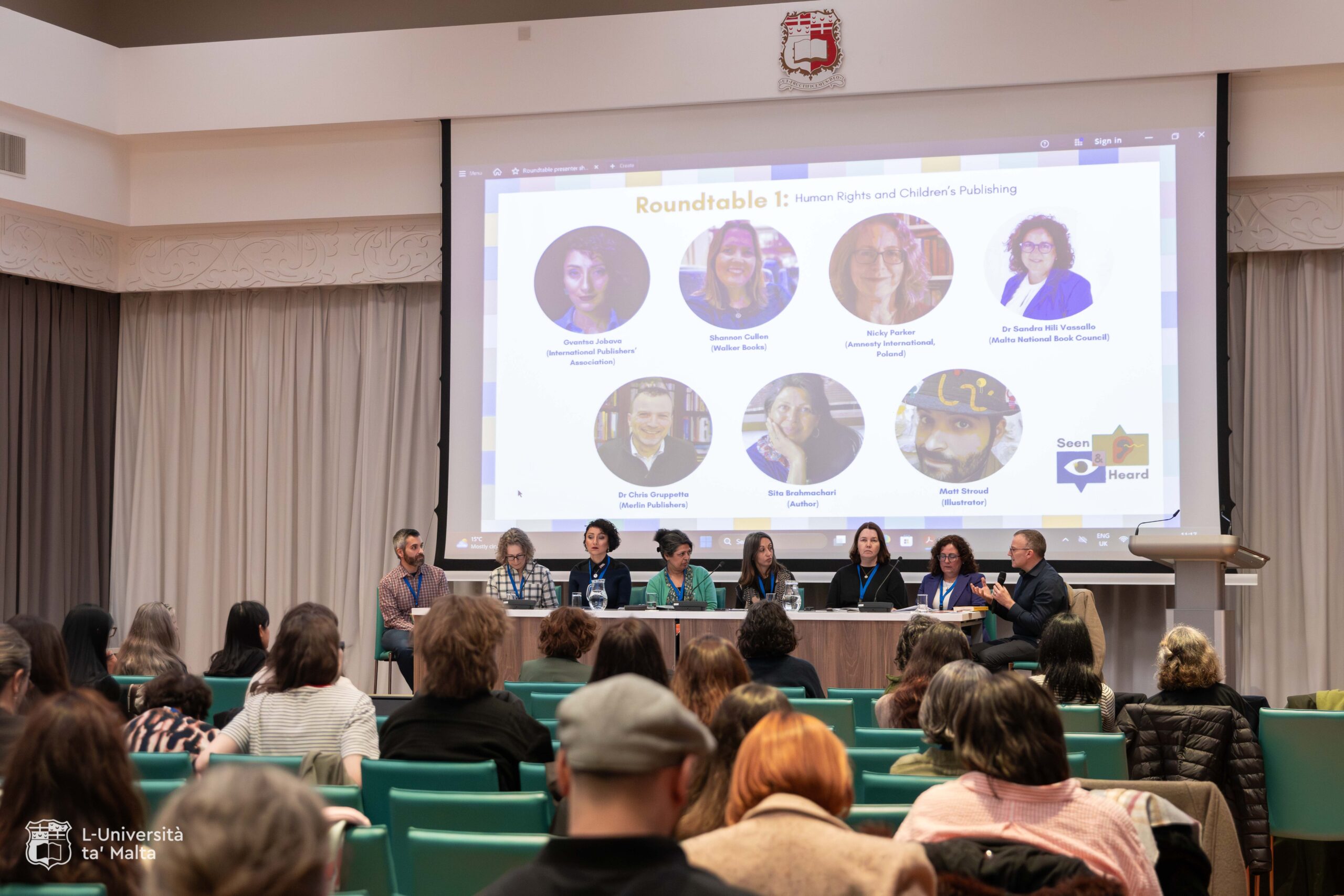
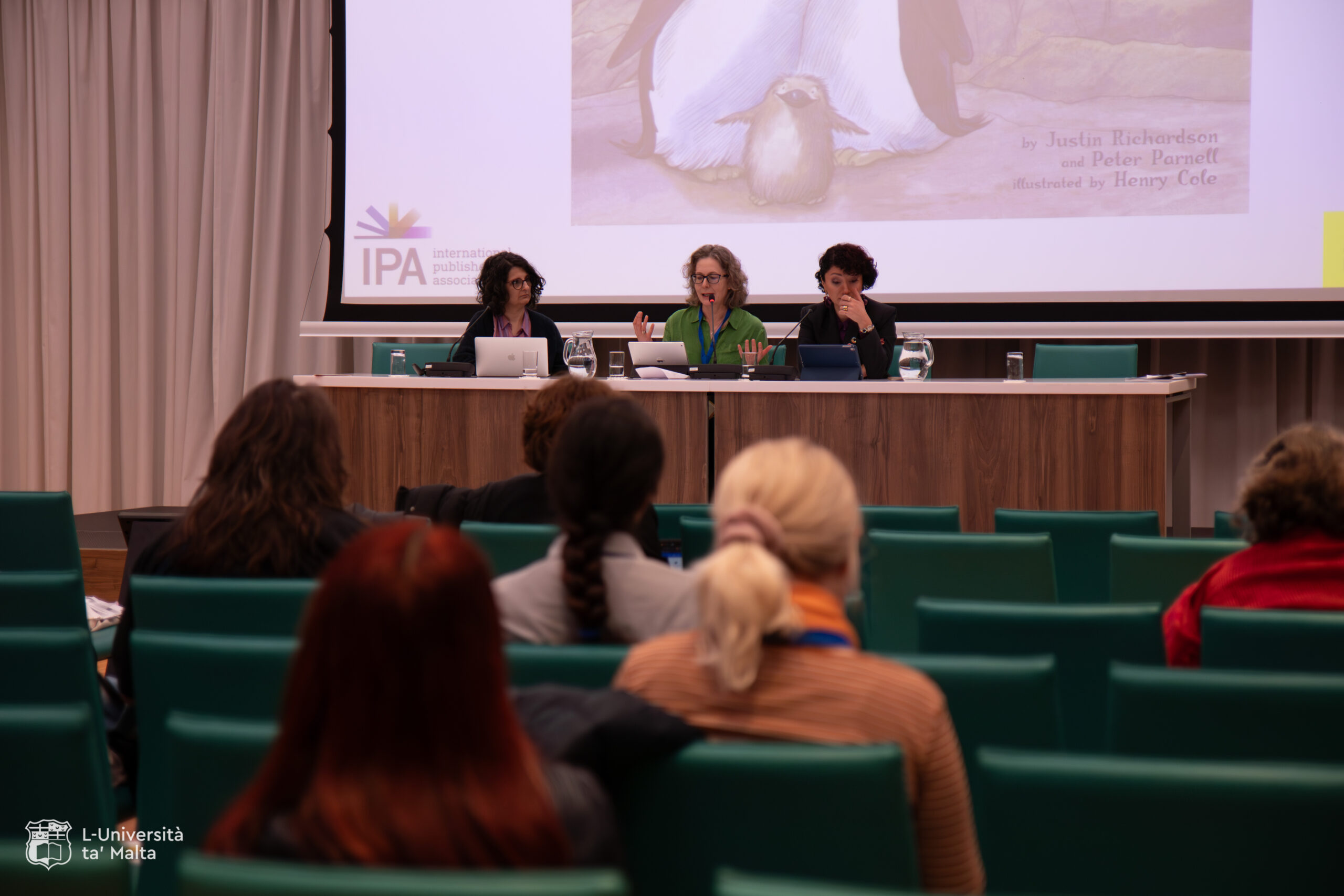
The conference also brought organisations including Amnesty International, the International Publishers Association, Walker Books, the Malta National Book Council and Merlin Publishers into dialogue with universities, schools, creative practitioners and children themselves. In this sense, the conference embodied the project’s wider commitment to care-full, intergenerational participation: not simply creating opportunities for young people to speak, but changing the conditions in which adults and institutions listen and respond.
hear the conversations
A space for Listening Differently
The Seen and Heard International Conference brought together researchers, educators, artists, publishers, activists, and young people to explore freedom of expression as a lived and contested right.Held in Valletta, the conference formed part of a wider three-year European project—one that moves between research, creative practice, and social movement-building. At its core was a simple but urgent question:What does it mean to truly listen to young people—and to act on what we hear?
Opening the conversation
From the outset, the conference positioned itself as a space of dialogue rather than presentation. It invited participants to move beyond traditional academic boundaries and to engage across disciplines, practices, and generations.Research here was not framed as extraction, but as relationship—built through collaboration, care, and shared inquiry.
Researching and co-creating
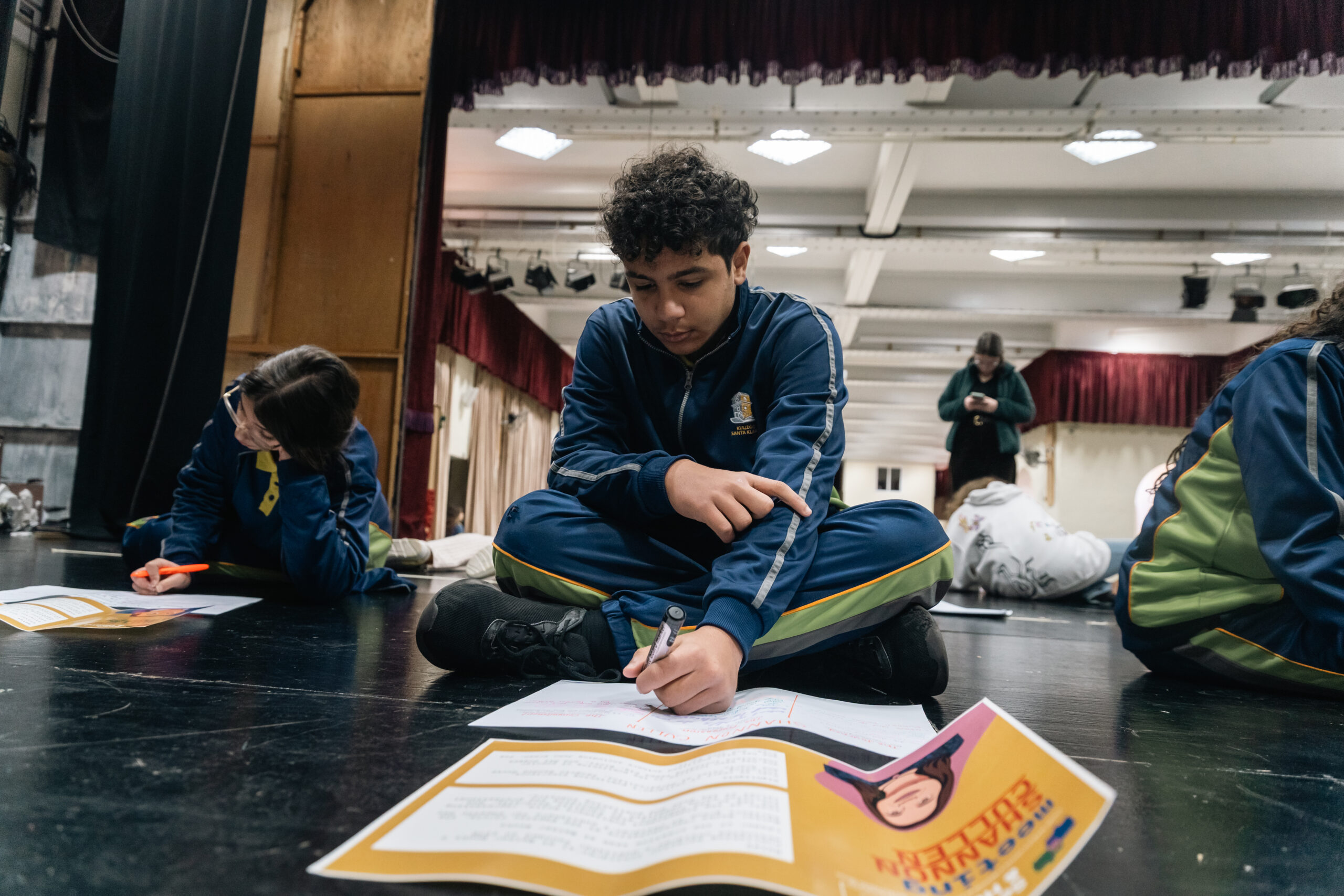
A central strand of the conference focused on rethinking how research with children and young people is conducted. Across panels and workshops, contributors explored participatory, creative, and interdisciplinary methods that position young people as collaborators in the research process.
This included work on storytelling, publishing, and “creative protest”—forms of expression through which young people articulate their experiences and intervene in public discourse.
Children’s voices are not an outcome of research. They are its starting point.
In conversation
Roundtables brought together voices from across sectors—publishing, education, policy, and activism—to consider what it means to take children’s perspectives seriously in practice.
These conversations asked not only how we listen, but how institutions might change in response.
Young voices at the centre
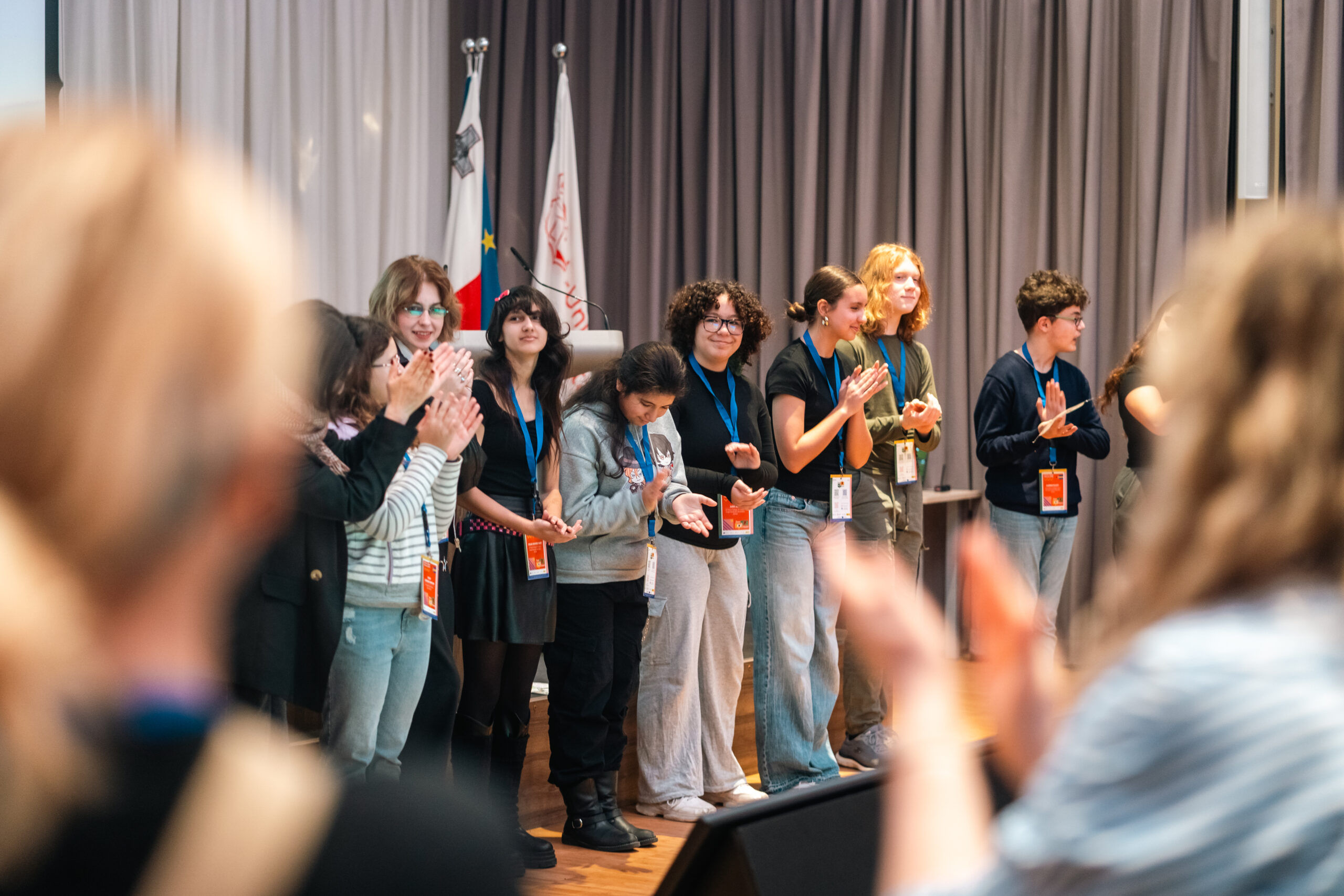
Young people were not peripheral to the conference—they were central to it. Through film, discussion, and creative contributions, they shared perspectives on identity, inequality, climate, belonging, and justice.
Their presence reshaped the space, reminding participants that freedom of expression is not abstract, but lived and relational.
Creative practice as thinking
Creative work ran throughout the conference as a vital mode of inquiry. Poetry, film, and artistic practice opened up ways of knowing and expressing that move beyond the limits of conventional academic language.
These were not additions to the programme—they were central to how ideas were explored, shared, and felt.
A shared experience
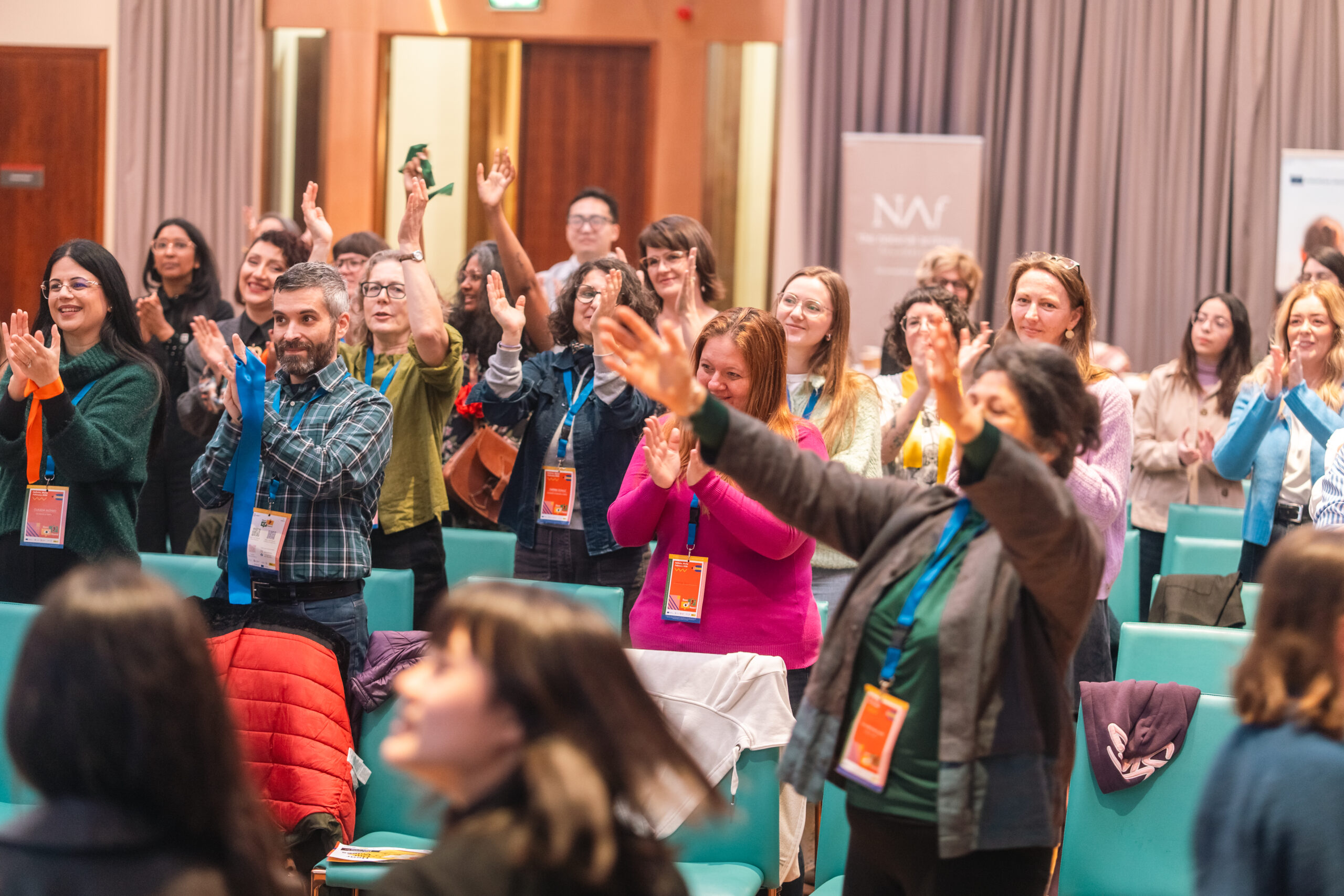
Across three days, the conference became a space of encounter—between disciplines, between generations, and between ways of knowing.
It created a collective sense of momentum: a recognition that research, creativity, and activism can work together to support more just and inclusive futures.
Closing, and continuing
The conference closed with a sense not of completion, but of continuation. The conversations and collaborations it generated feed directly into the ongoing work of Seen and Heard—as research, as practice, and as a growing value-based social movement.
Where stories meet care—and care becomes action.