Seen and Heard: Young People’s Voices and Freedom of Expression University of Malta, Valletta Campus | 5–7 February 2026
hear the conversations
A space for Listening Differently
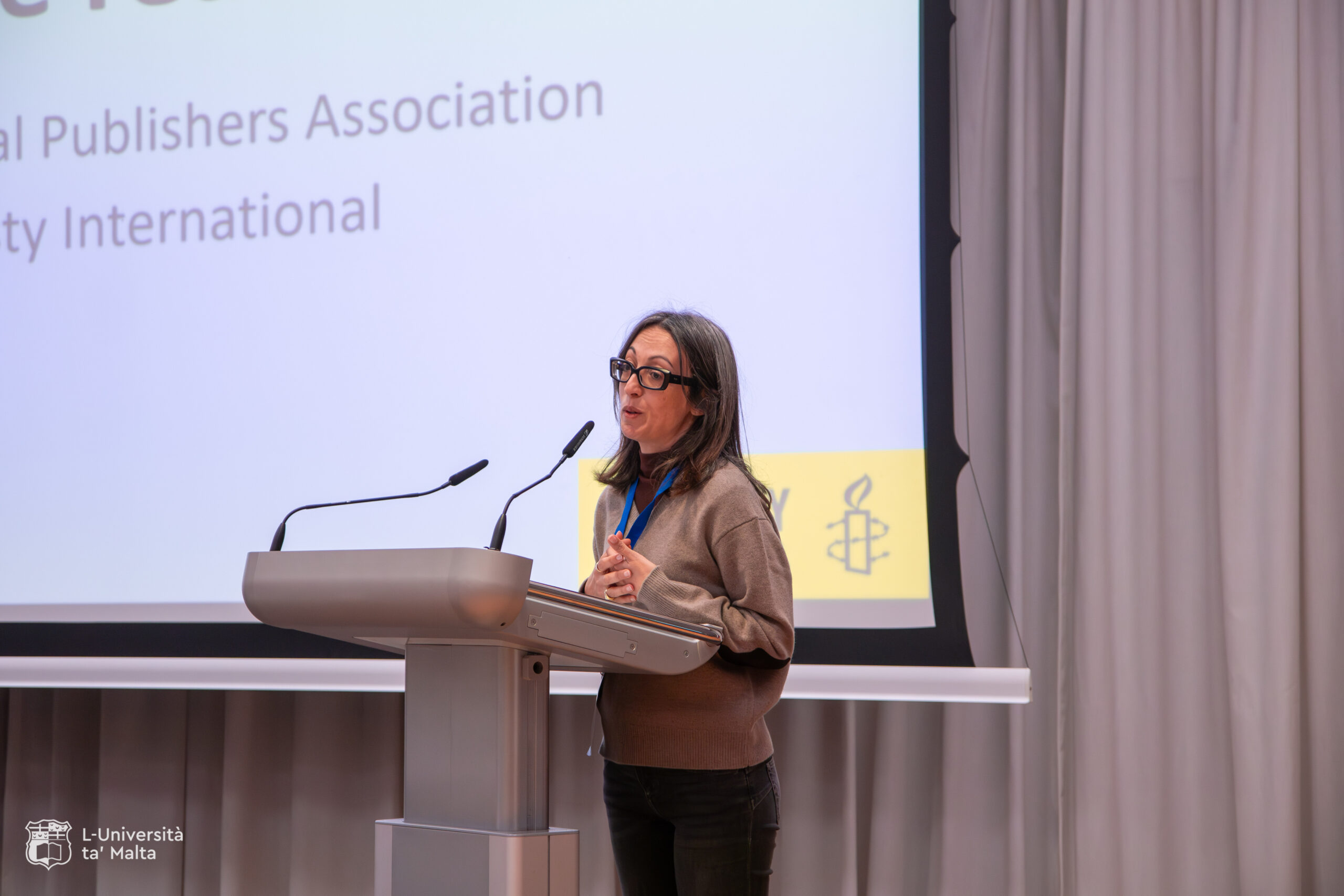
The Seen and Heard International Conference brought together researchers, educators, artists, publishers, activists, and young people to explore freedom of expression as a lived and contested right.Held in Valletta, the conference formed part of a wider three-year European project—one that moves between research, creative practice, and social movement-building. At its core was a simple but urgent question:What does it mean to truly listen to young people—and to act on what we hear?
Opening the conversation
From the outset, the conference positioned itself as a space of dialogue rather than presentation. It invited participants to move beyond traditional academic boundaries and to engage across disciplines, practices, and generations.Research here was not framed as extraction, but as relationship—built through collaboration, care, and shared inquiry.
Researching and co-creating
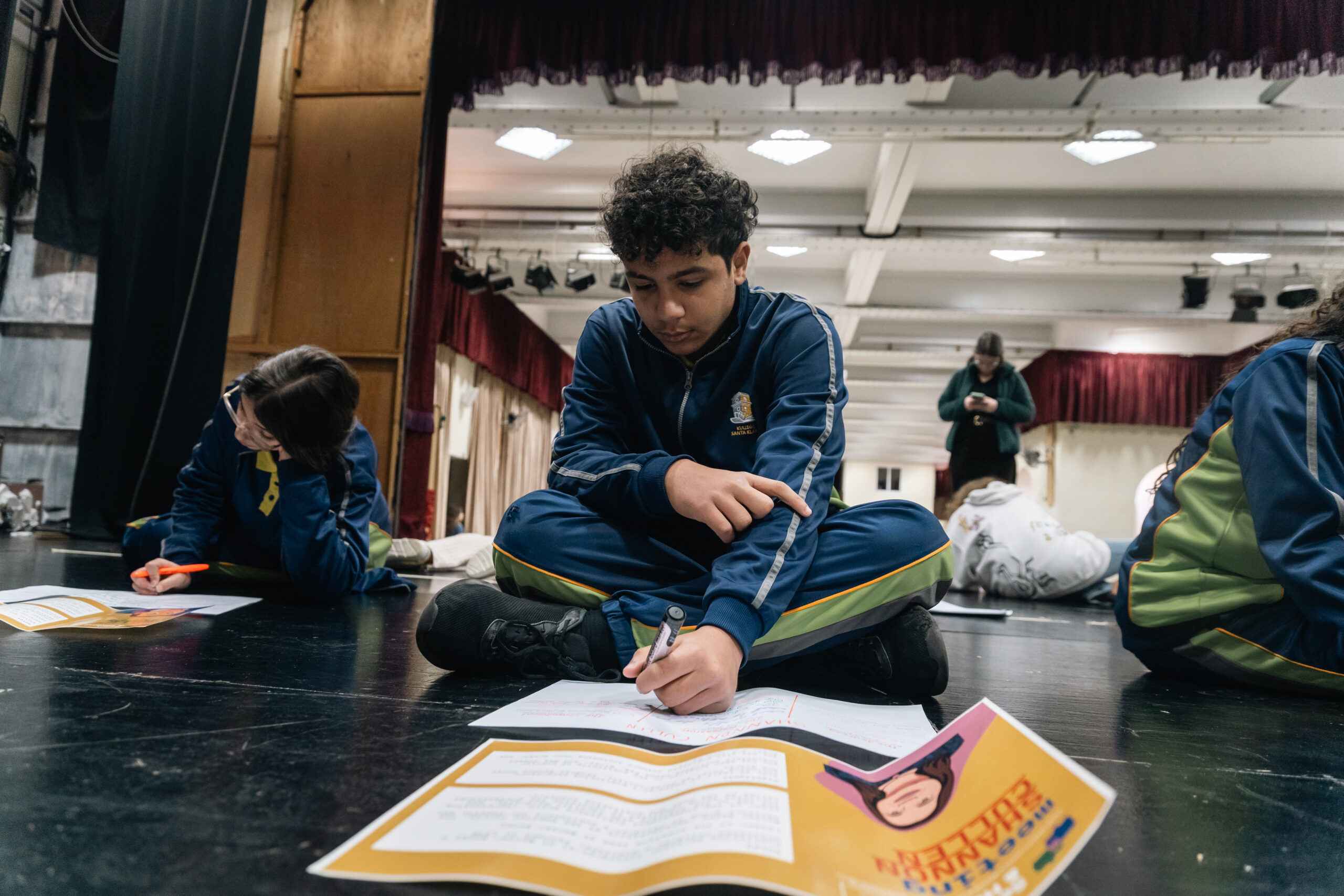
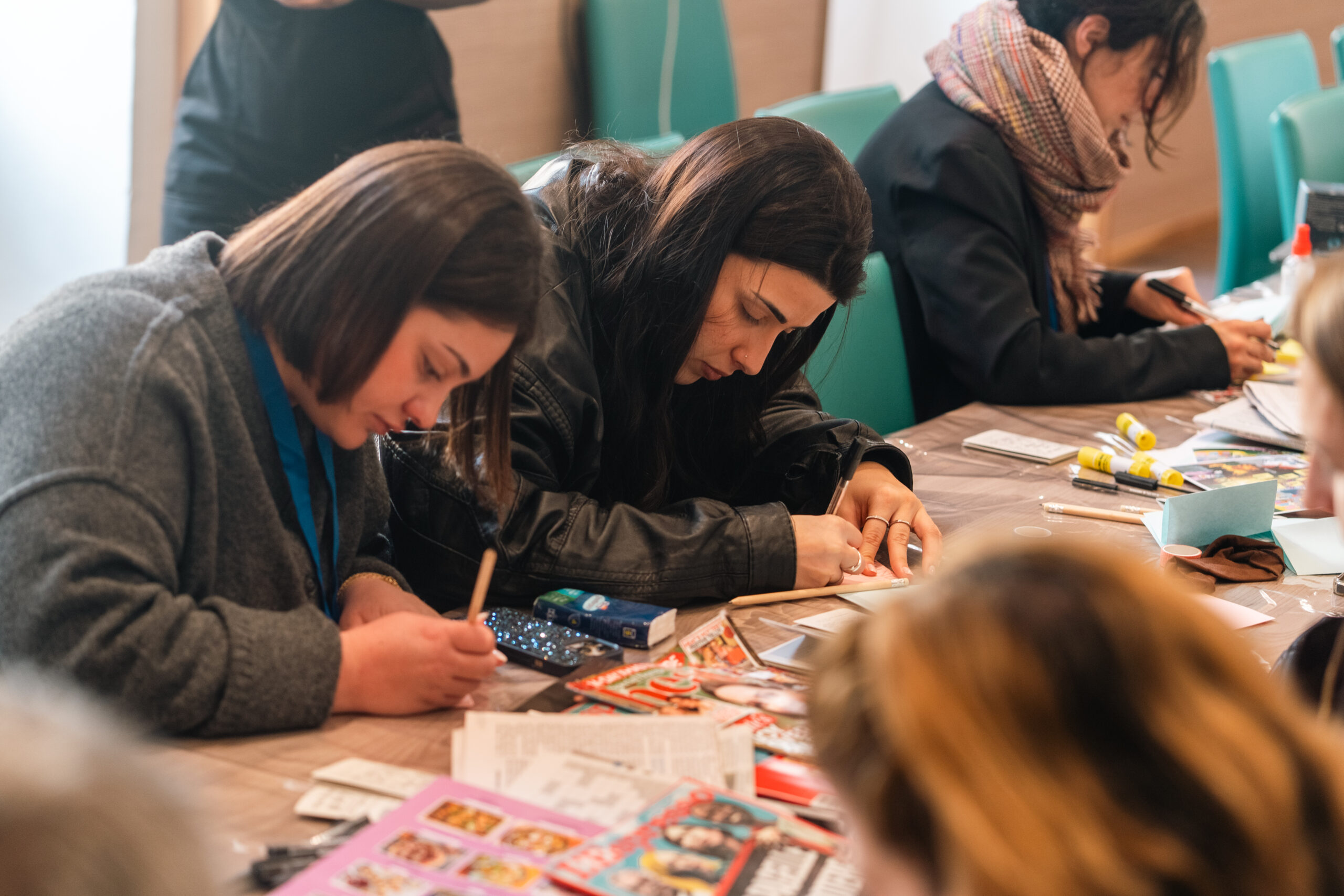
A central strand of the conference focused on rethinking how research with children and young people is conducted. Across panels and workshops, contributors explored participatory, creative, and interdisciplinary methods that position young people as collaborators in the research process.
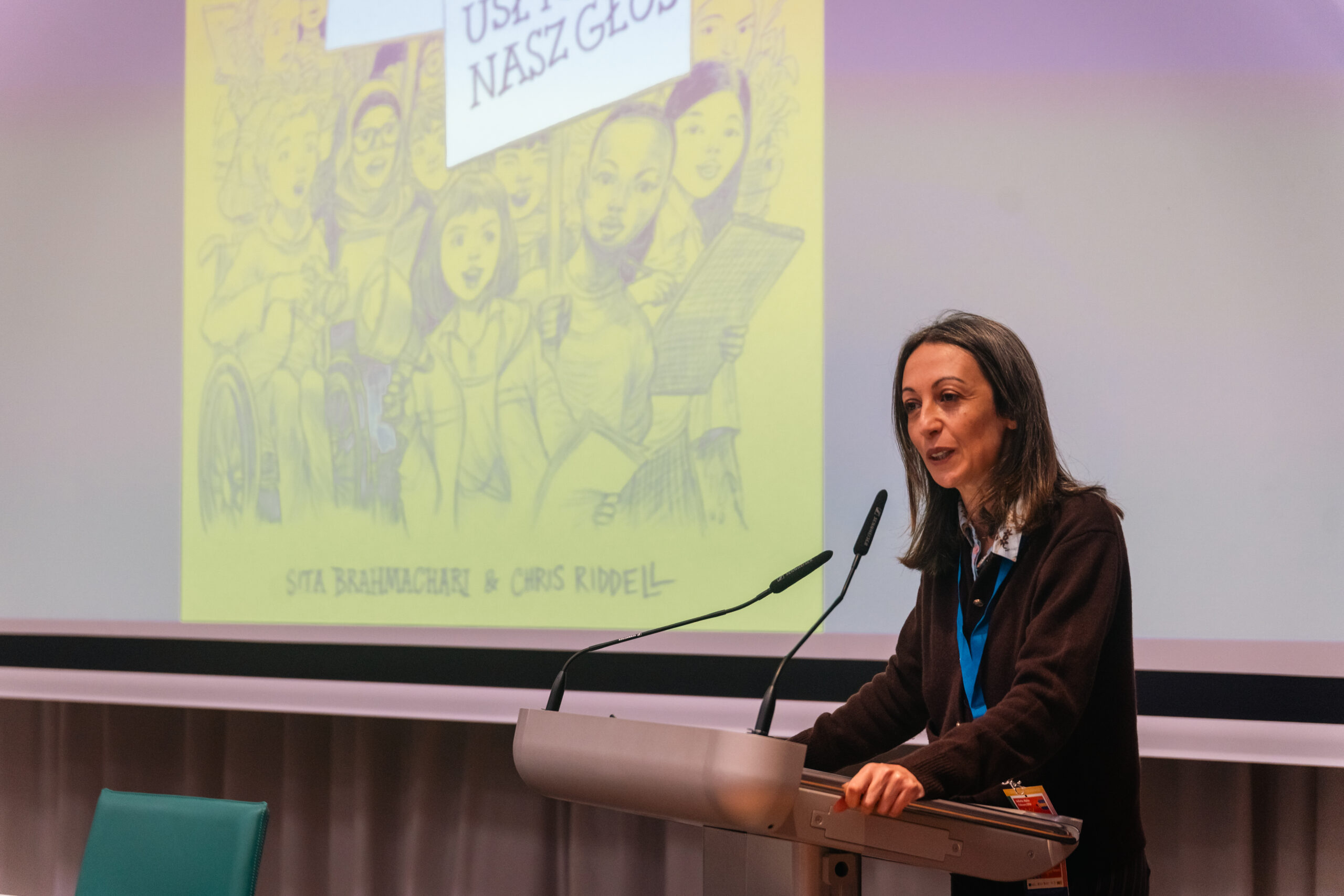
This included work on storytelling, publishing, and “creative protest”—forms of expression through which young people articulate their experiences and intervene in public discourse.
Children’s voices are not an outcome of research. They are its starting point.
In conversation
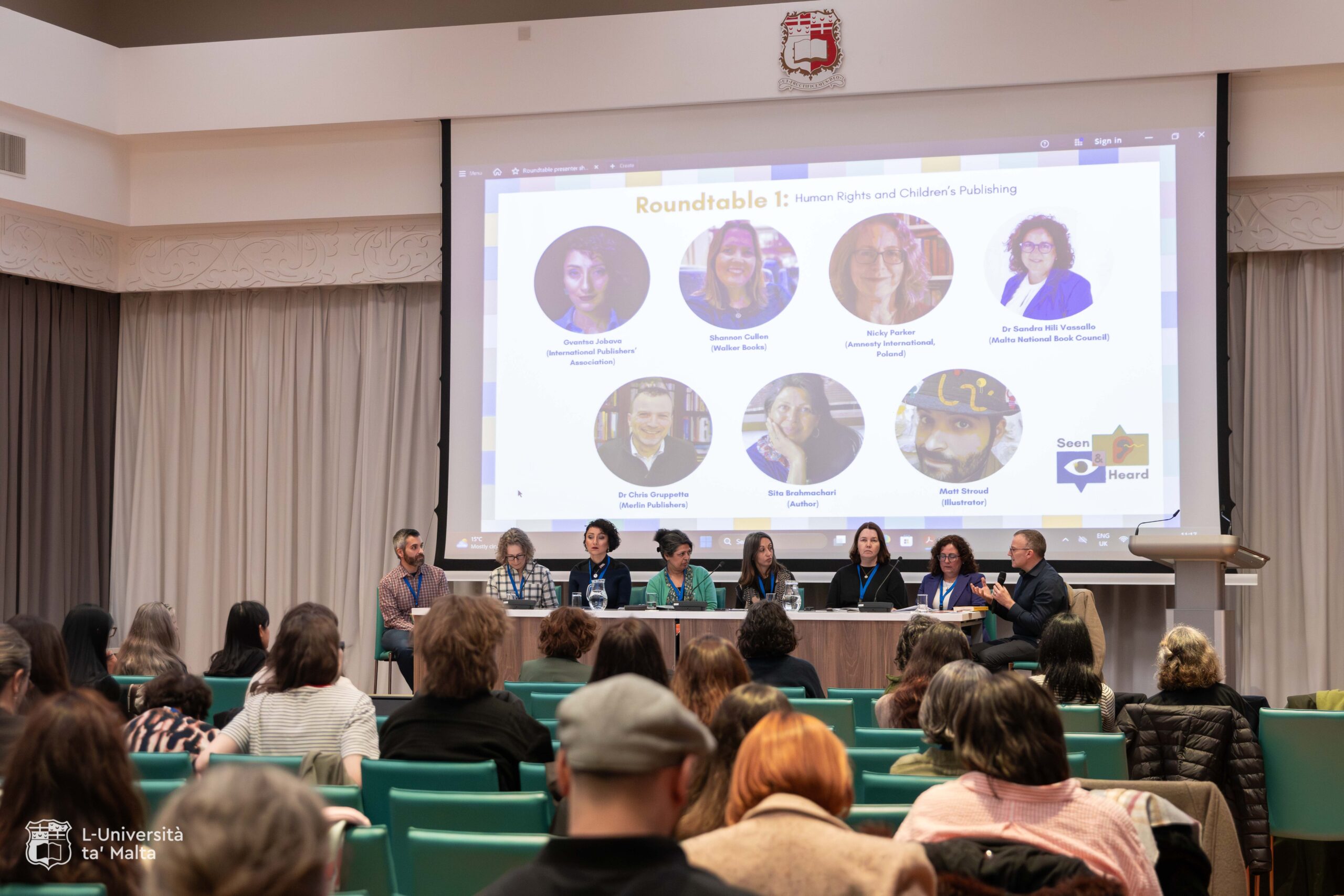
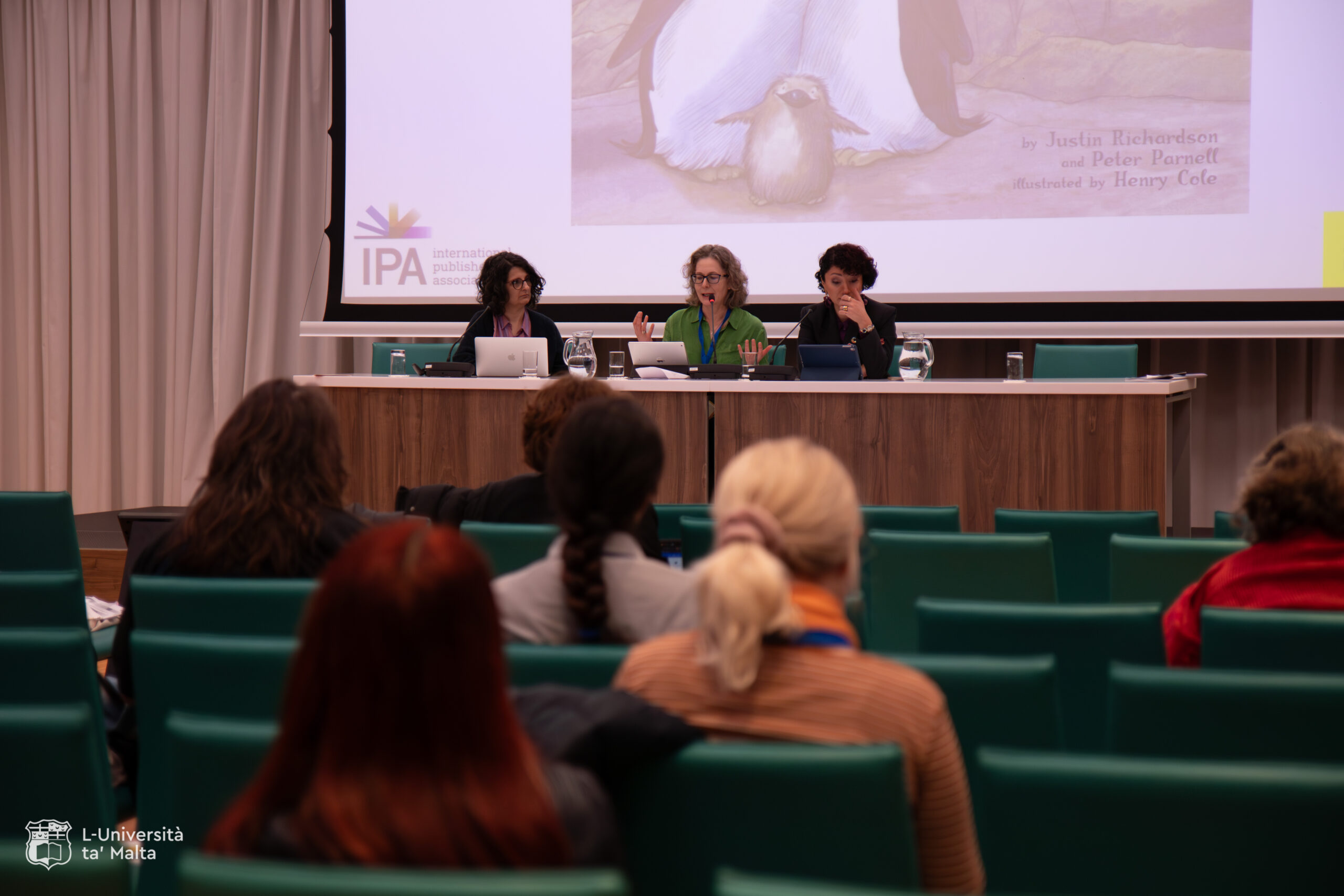
Roundtables brought together voices from across sectors—publishing, education, policy, and activism—to consider what it means to take children’s perspectives seriously in practice.
These conversations asked not only how we listen, but how institutions might change in response.
Young voices at the centre
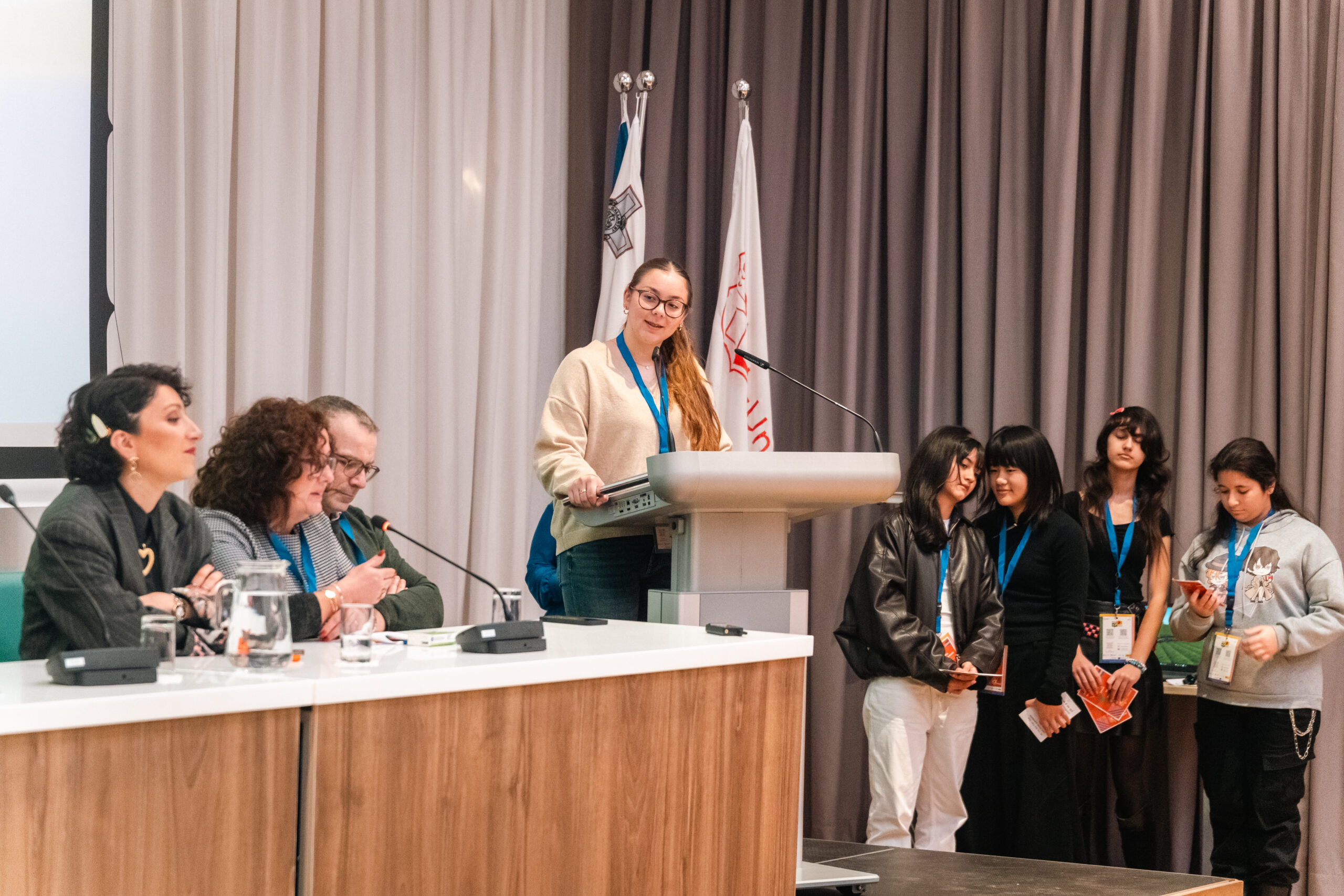
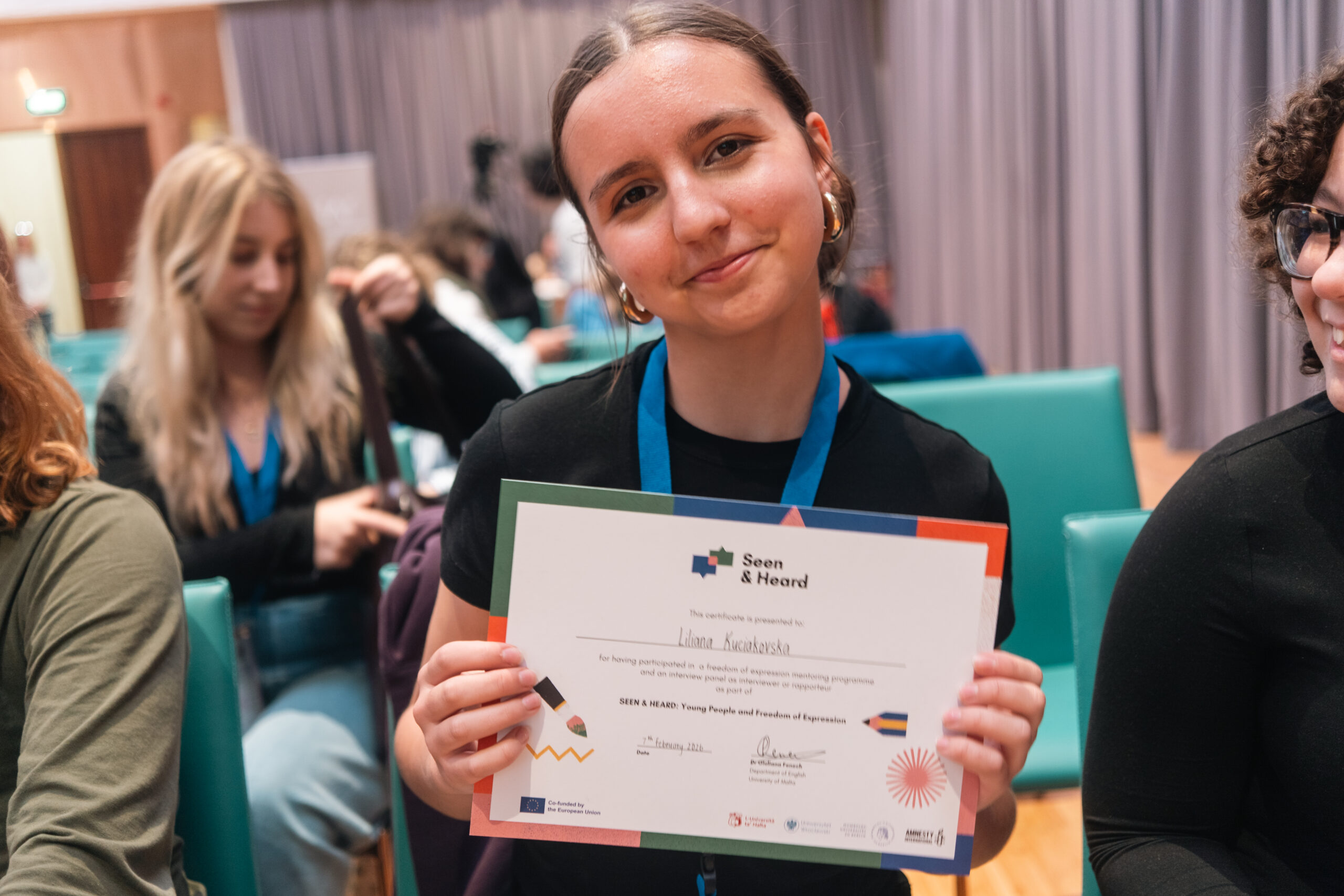
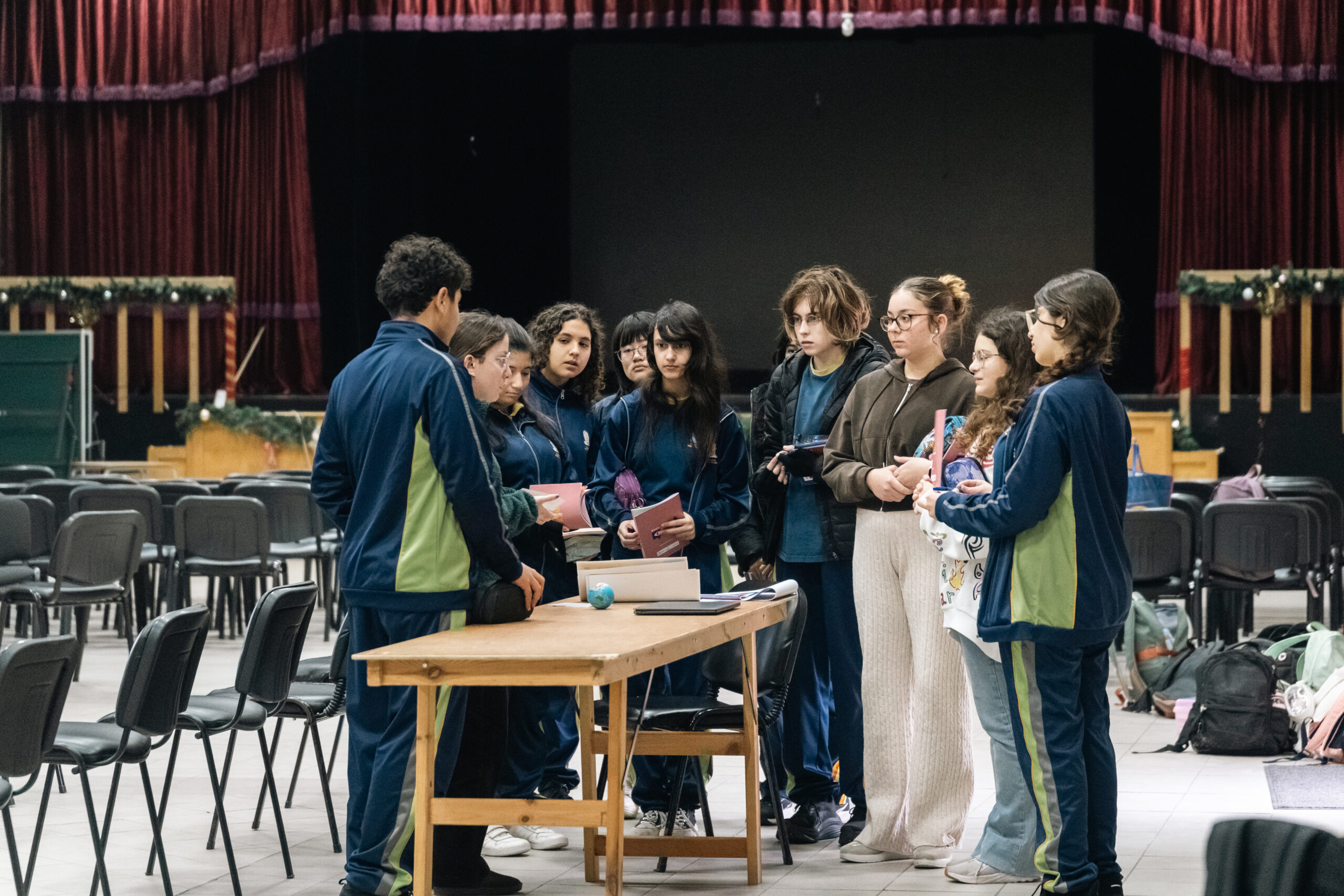
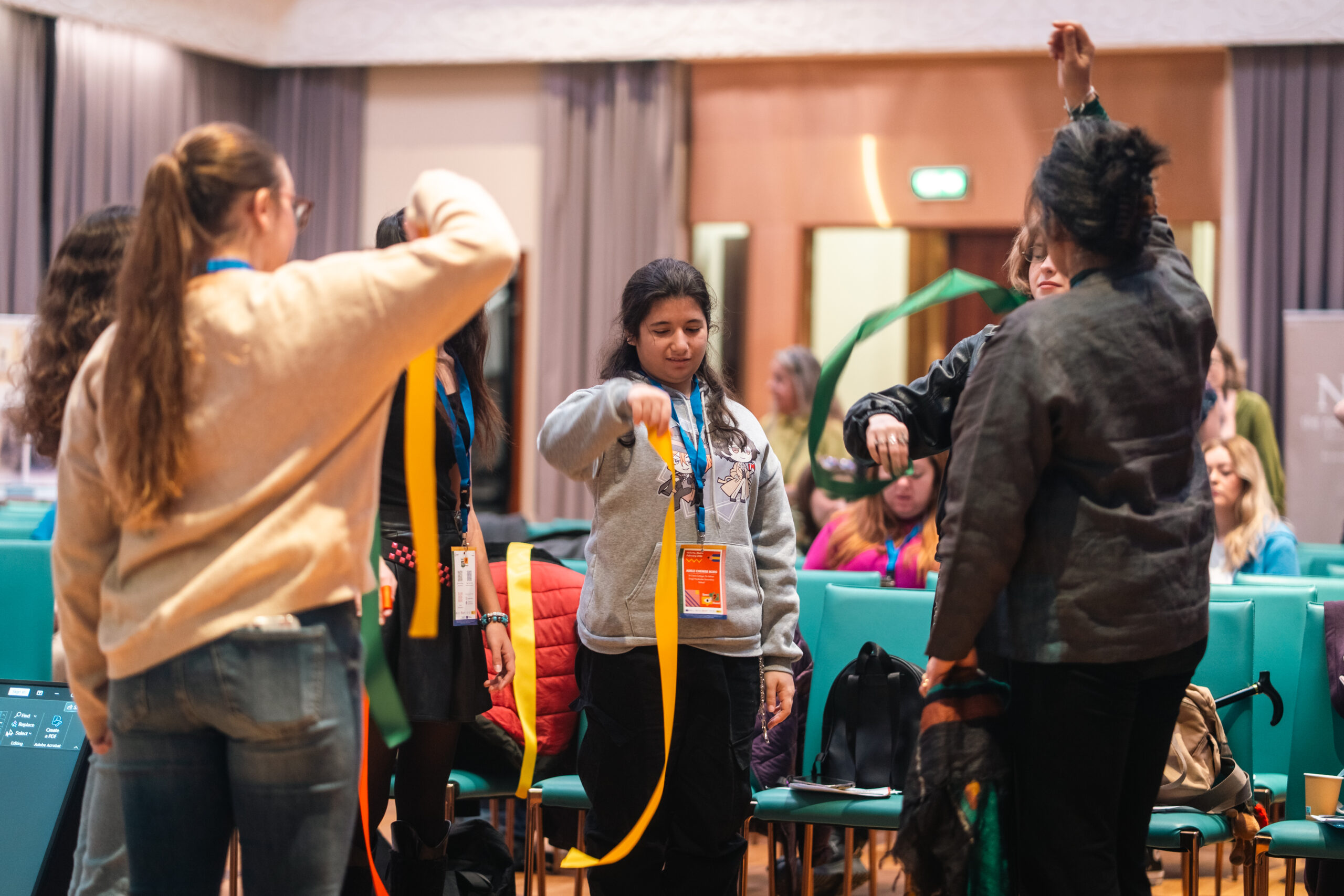
Young people were not peripheral to the conference—they were central to it. Through film, discussion, and creative contributions, they shared perspectives on identity, inequality, climate, belonging, and justice.
Their presence reshaped the space, reminding participants that freedom of expression is not abstract, but lived and relational.
Creative practice as thinking
Creative work ran throughout the conference as a vital mode of inquiry. Poetry, film, and artistic practice opened up ways of knowing and expressing that move beyond the limits of conventional academic language.
These were not additions to the programme—they were central to how ideas were explored, shared, and felt.
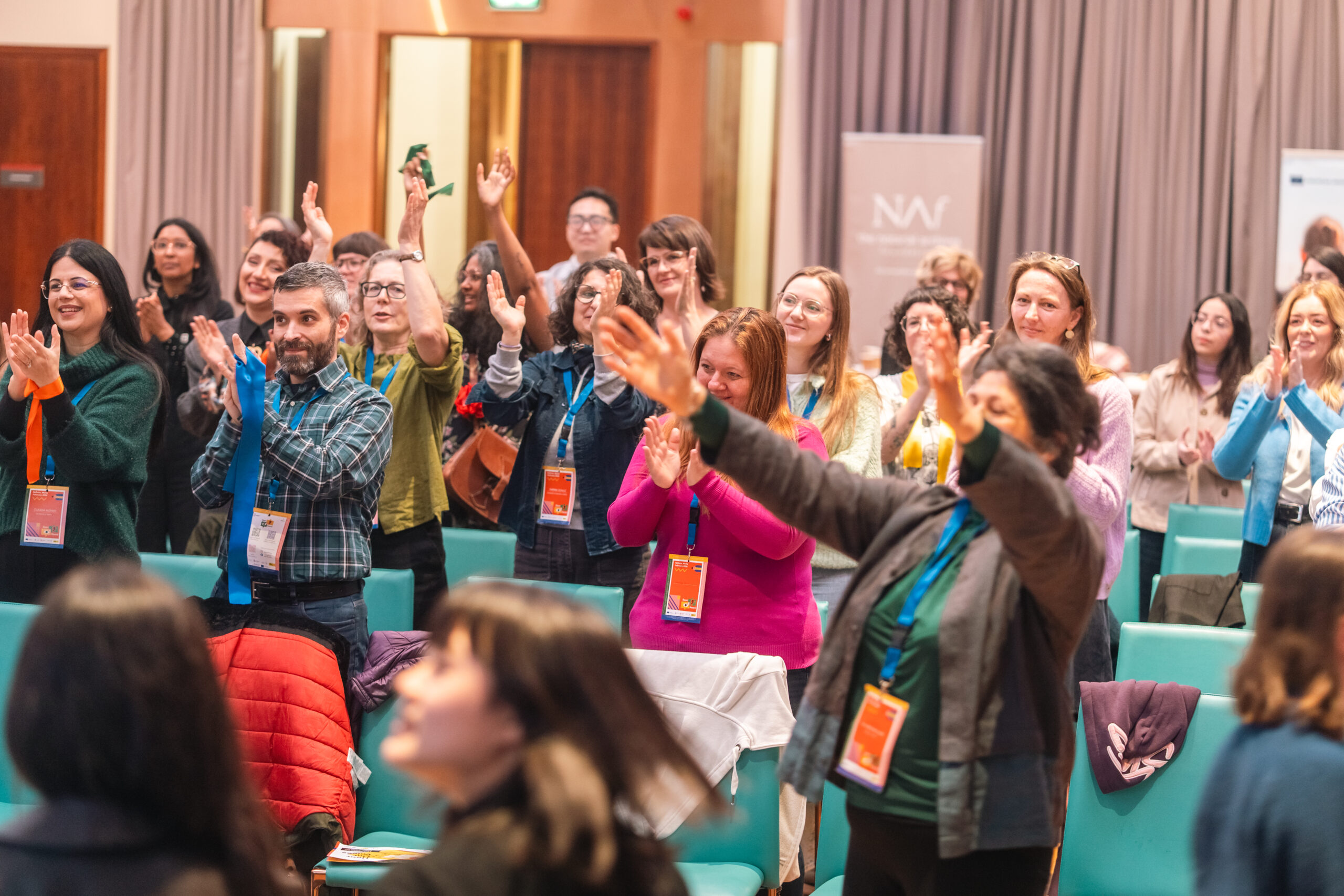
Across three days, the conference became a space of encounter—between disciplines, between generations, and between ways of knowing.
It created a collective sense of momentum: a recognition that research, creativity, and activism can work together to support more just and inclusive futures.
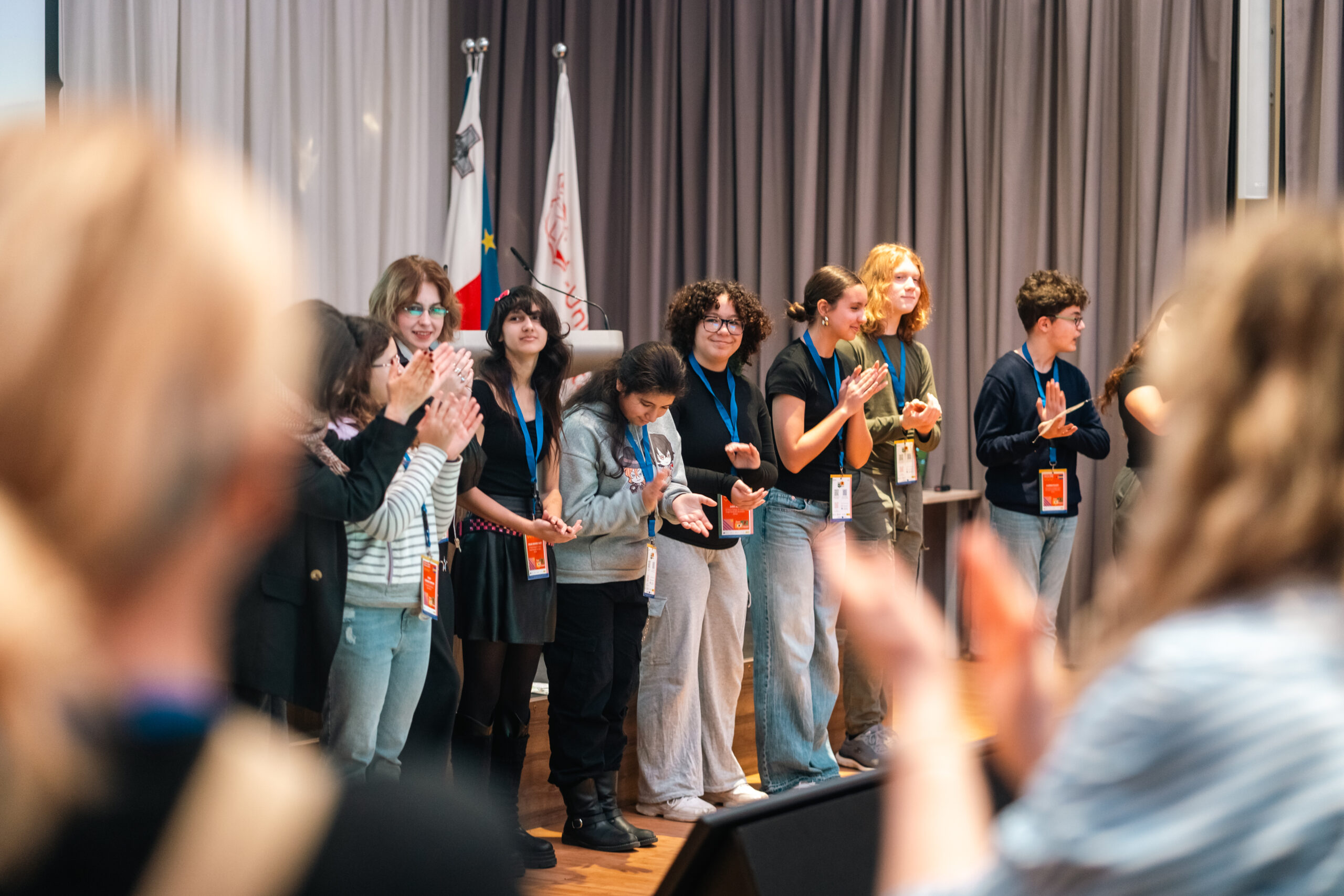
Closing, and continuing
The conference closed with a sense not of completion, but of continuation. The conversations and collaborations it generated feed directly into the ongoing work of Seen and Heard—as research, as practice, and as a growing value-based social movement.