Berlin Transnational Meeting


Humboldt-Universität zu Berlin | 12–15 February 2024
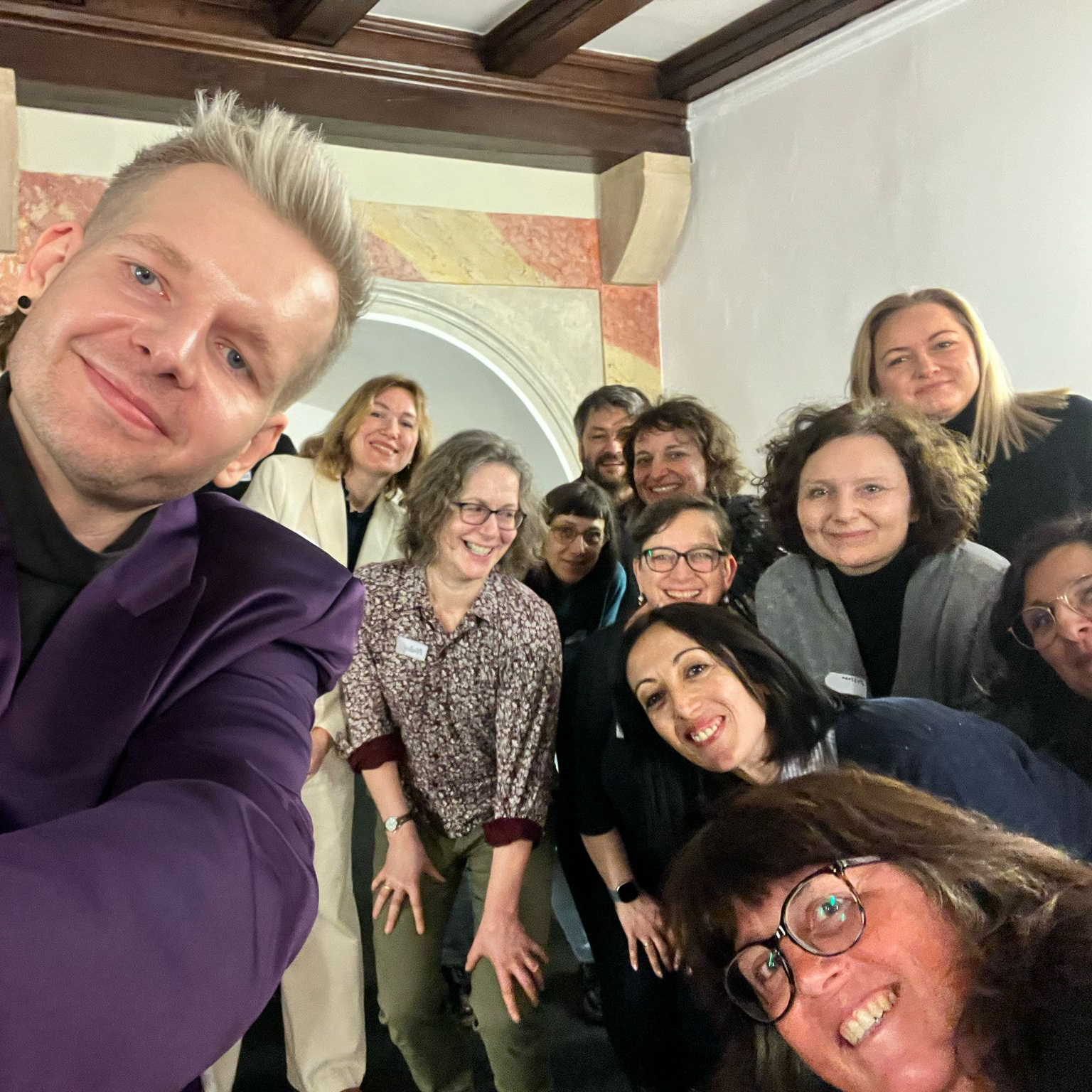
The first Seen and Heard transnational meeting brought the consortium together in Berlin for four days of intensive cross-sectoral training, reflection and methodological development. Hosted by Humboldt-Universität zu Berlin, the meeting marked a decisive stage in the project: before sustained mentoring and creative work with young people began, academics, Human Rights Education practitioners, filmmakers, artists, designers, theatre practitioners and cultural institutions worked together to establish a shared approach to participation, creative protest, care and safeguarding.
The programme deliberately crossed disciplinary and professional boundaries. Prof. Kate Coleman introduced a/r/tography as an arts-based mode of inquiry and collaborative practice; Edward Dingli explored visual design as a means of communicating ideas; Justyna Deszcz-Tryhubczak and Mateusz Świetlicki addressed the ethical dimensions of children’s creative protest; and Amnesty International Poland led workshops on Human Rights Education and activism. The consortium also examined how a sustained mentoring programme might support young people to move from reflection on rights towards collective creative action.
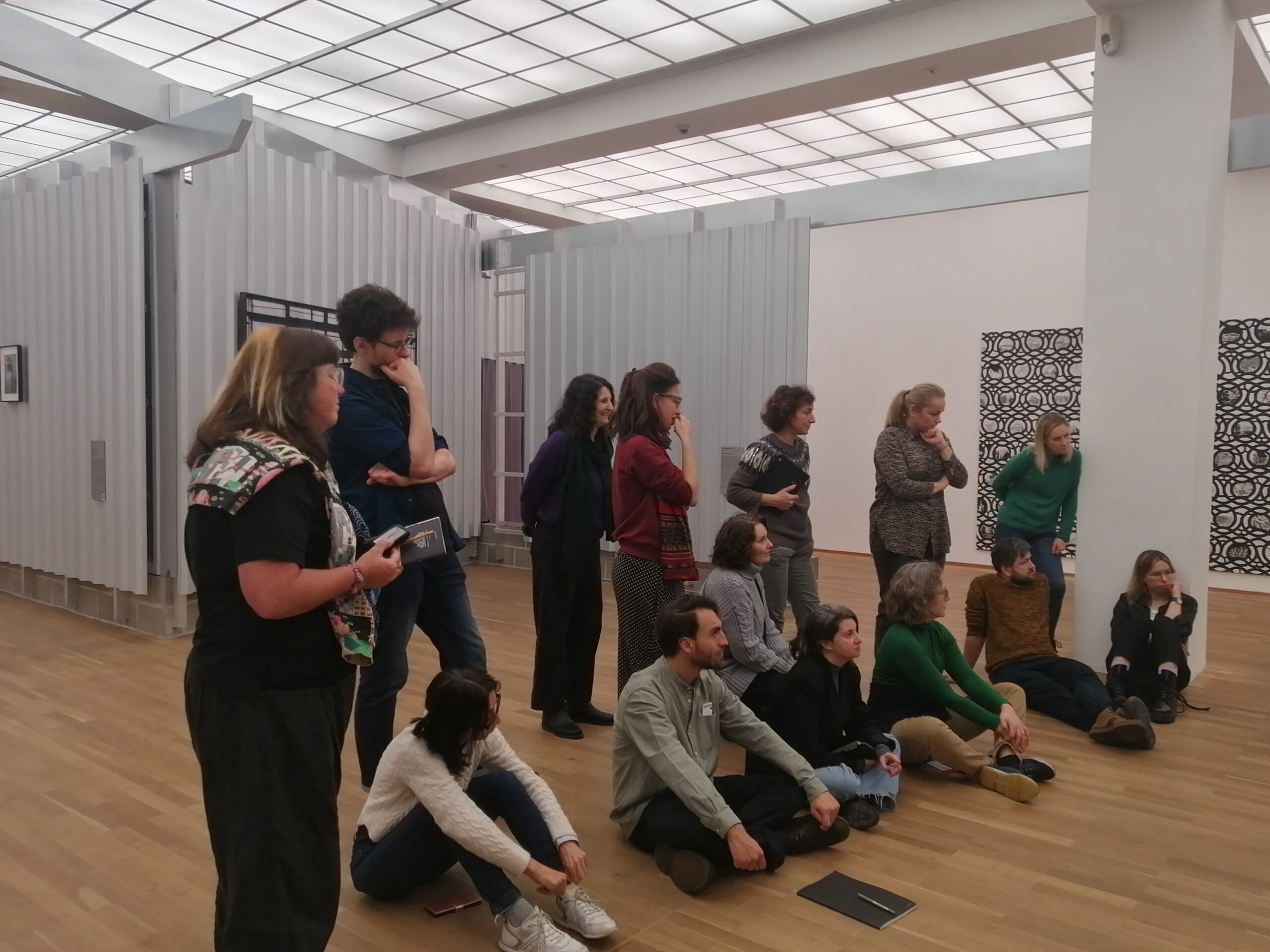
Film and documentary practice formed another major strand. Filmmakers Uli Decker and Charlie Cauchi worked with the consortium on the possibilities and ethical responsibilities of documenting young people’s participation, contributing directly to the approach later adopted in the Seen and Heard docu-narrative and creative-protest work. Training with GRIPS Theater introduced emancipatory theatre practice, while a visit to Hamburger Bahnhof connected contemporary art, protest and public expression.
The significance of the meeting lay in the relationships established between these different forms of expertise. Rather than developing research, Human Rights Education, artistic practice and safeguarding separately, the Berlin meeting brought them into conversation from the outset. It helped establish a shared understanding of children as knowledge-creators and cultural actors, while positioning adults as facilitators, mentors and allies responsible for creating the conditions in which young people could participate meaningfully and safely.
The principles developed in Berlin subsequently travelled across the project. They informed the mentoring programmes in Malta, Wrocław and Berlin; the use of film, animation, poetry, visual art and theatre as forms of creative protest; the project’s evolving ethics of care; and the shift towards a relational documentary practice that documented not only children’s voices but also the institutions, relationships and practices that determine whether those voices are genuinely heard. In this sense, the Berlin meeting provided much of the methodological infrastructure on which the later stages of Seen and Heard were built.
You can also explore photographs from the four-day meeting.