To be a child, once more
Leanne Ellul
“All children, except one, grow up.”
Peter Pan, J. M. Barrie
I close my eyes as tightly as possible and try to remember myself as a young girl. I remember refusing pink. I remember not wanting to sleep at 8 p.m. I remember refusing to eat animals that looked like what they were. There were days when I refused to go to school, and days when I refused to stay at home. I refused not to scribble notes in my books. I used water bottles as microphones and cans as weights. I remember refusing to lower the volume of the cassette player, and the correction fluid we weren’t allowed to use on paper, which I then used as nail polish. We all did. Maybe, just maybe, childhood was all about refusal.
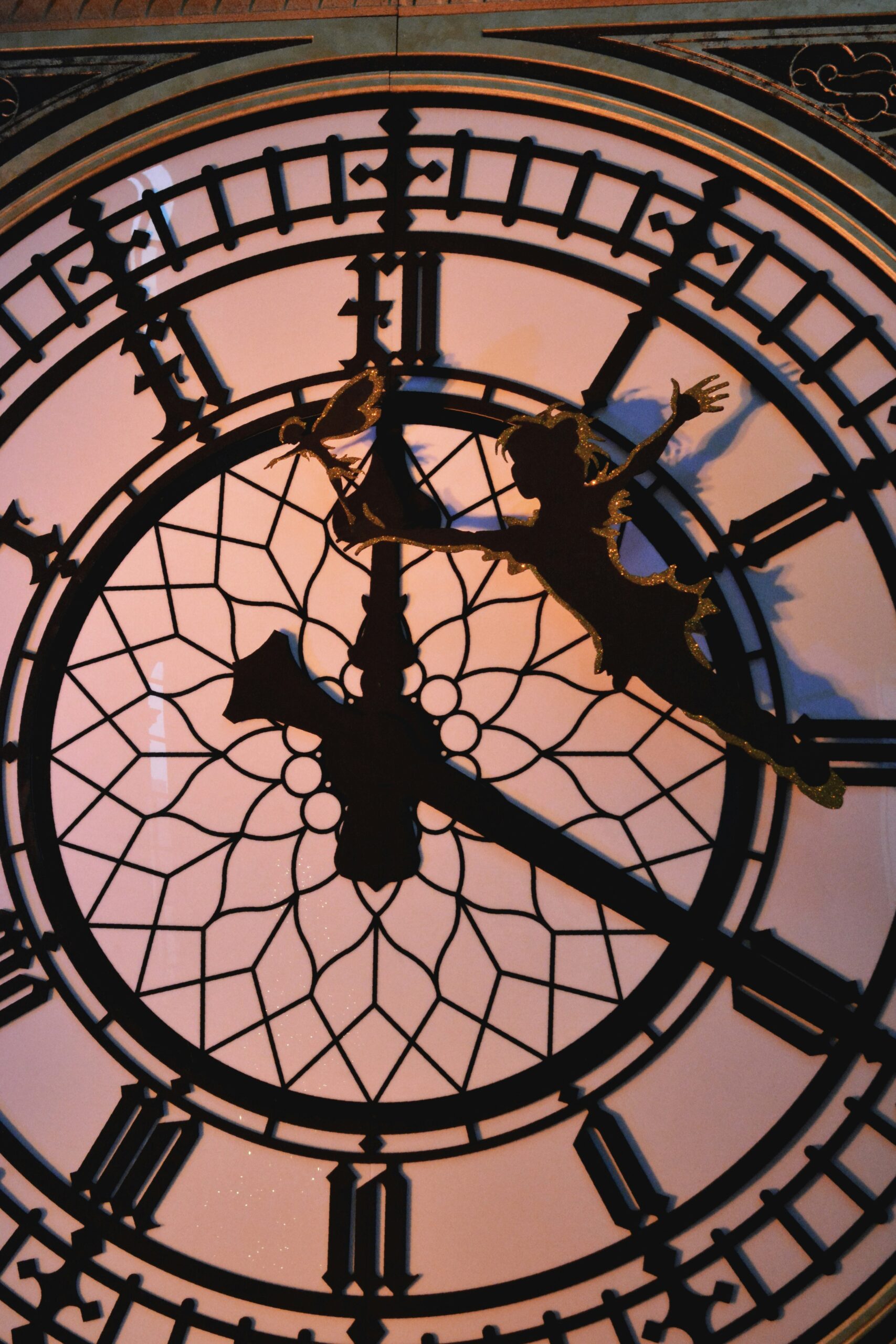
What would I give up to be a child once more? I do know what I wouldn’t want to give up as an adult — the things I have by going through childhood and youth. The joys and the pains and everything in between. I still dread the comments of moldy great-aunts, pinching my right cheek while pronouncing: You’ll know differently when you grow up. Such a phrase was always punctuated by a pat on the head. How I hated that. I remember vividly trying to make my point after Sunday mass, or later during teatime. Counting the Nice biscuit crumbs and eating them was more successful than trying to convince older people of something I believed in. To me, that was an act of unfairness. Why would an adult not listen to me just because I’m younger? Just as in Peter Pan “It was then that Hook bit him. Not the pain of this but its unfairness was what dazed Peter. It made him quite helpless. He could only stare, horrified. Every child is affected thus the first time he is treated unfairly.” I love it when fiction explains reality better than non-fiction.
So I knew what I knew back then, and I know what I know now. It might sound redundant, but to me, it’s very real. On one hand, I wish I were still a child — carefree and wanting to try everything without much fear. On the other hand, I am grateful for what childhood has taught me and for no longer having to fight for my voice simply because I’m a child. (Being a girl, and then a woman, is another struggle of its own.) Above all, to a certain extent, I still feel like a child.
I’m not sure whether childhood is an imposition or a choice. I choose to think of it as the latter, though this may simply be how I navigate adulthood. As an adult, thinking of myself as a child helps me see the world differently. It helps me wade through the world of adults and their certainties. I feel more guilt, more shame, more hurt now because of what life has taught me. Nonetheless, I keep trying to see things as if for the first time. I still smile at the sun rising. I still laugh when a dog wags its tail. I still feel butterflies when I’m about to go on stage.
Besides all these firsts, besides all these raw emotions, childhood is mostly about innocence. And it might be that one thing we lose and never get back. The play Peter and Alice (inspired by Peter Pan and Alice Liddell) by John Logan does exactly this — it shows us how quickly innocence can be tainted.
I surely wouldn’t give up what I’m doing right now to go back to childhood. When I was a child, I always dreamt I’d work in the arts, though I never imagined I could make a career out of writing. What a blessing and a privilege it is to do exactly that. It does get difficult, it does get unbearable sometimes, but I would settle for the life I have now rather than the uncertainty I had back then.
This goes to show how much children go through. How much they fear and how much they have to fight for. How much they face in silence. How much they are silenced. And though childhood as a phase is inevitable, pain and fear and silencing are not. They used to tell us “children should be seen and not heard” — and this is where Seen and Heard comes in. Seen and Heard is not just a project but a community that truly gives voice to children’s stories and dreams. It makes adults listen and brings children and adults together. We as adults do not go down to children’s level. We go up to their level by working with them, by giving them attention, by caring for them. We are the ones learning from them inside and outside of the schooling system.
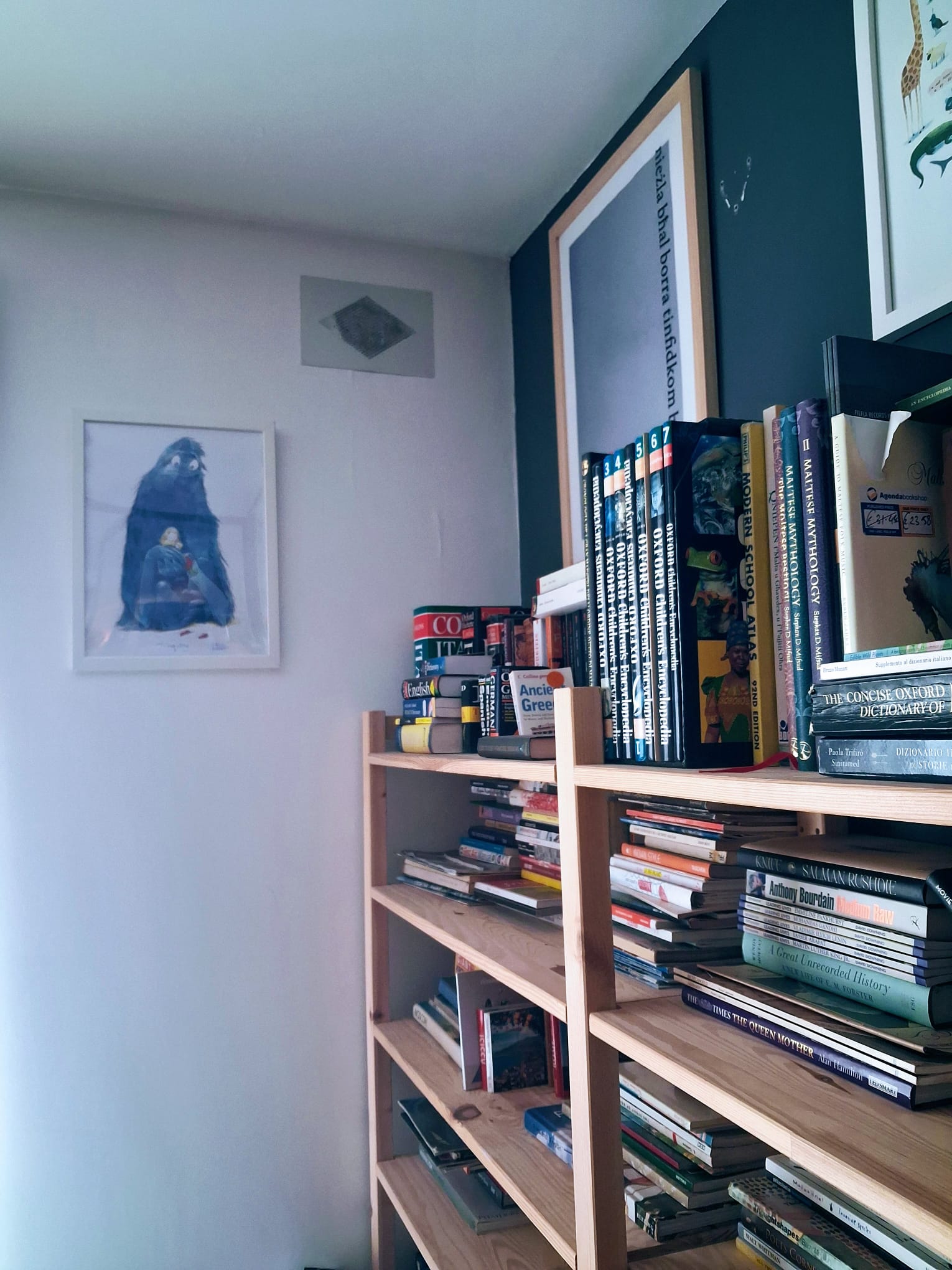
This is why I’m so happy I got to translate Sita Brahmachari’s beautiful words, skillfully crafted from what the children had said, and to have our words illustrated by Chris Riddell. During Covid, I ordered Chris’s “Mild Thing Print,” signed with a handwritten word of comfort, for myself and my good friend Clare (Azzopardi). And what a comfort it has truly been.
At 37 years old, I am utterly grateful to be part of this research and writing community. And yes, I refuse to go back to childhood … but embrace the child within me while telling her that everything will be fine.